


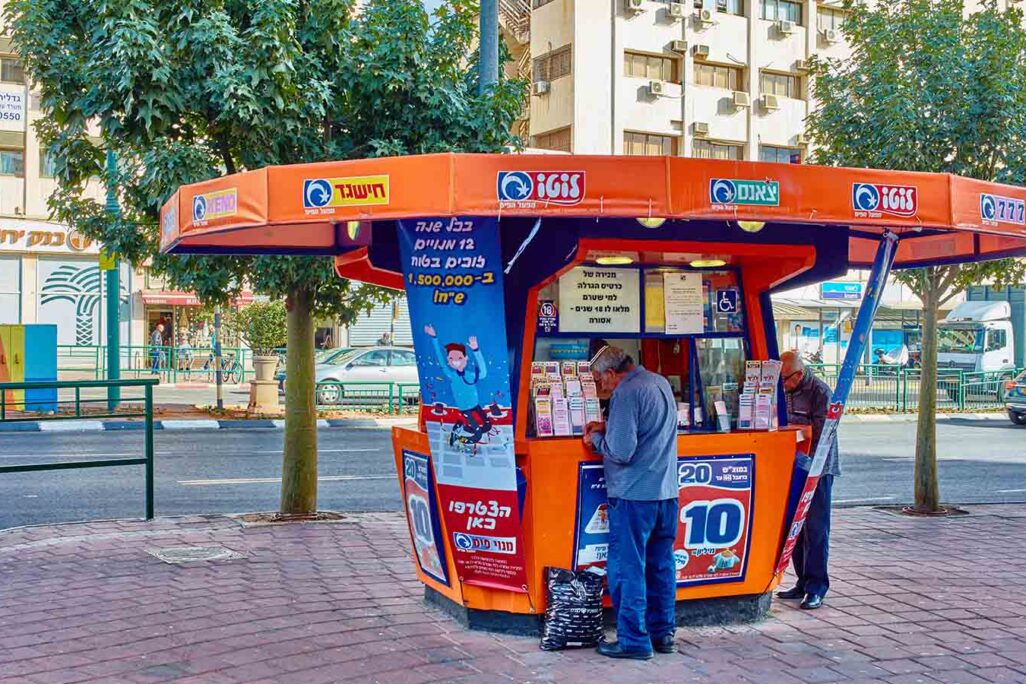
Labor MK Ibtisam Mara’ana has proposed a bill to permanently abolish slot machines at national lottery stands, known as Mifal Hapais. With the temporary order banning the machines for the last five years due to end this year, this bill intends to replace the temporary provision. It was approved in a preliminary reading in the Knesset plenum last Thursday.
The temporary order to ban the slot machines was introduced by former Finance Minister Moshe Kahlon in January 2017. Until that point, there were more than 500 branches of the Mifal Hapais operating slot machines throughout the country. The slot machines accounted for about 10% of the Mifal Hapais’ income – nearing roughly 700 million shekels ($219.6 million), according to the national lottery’s financial reports.
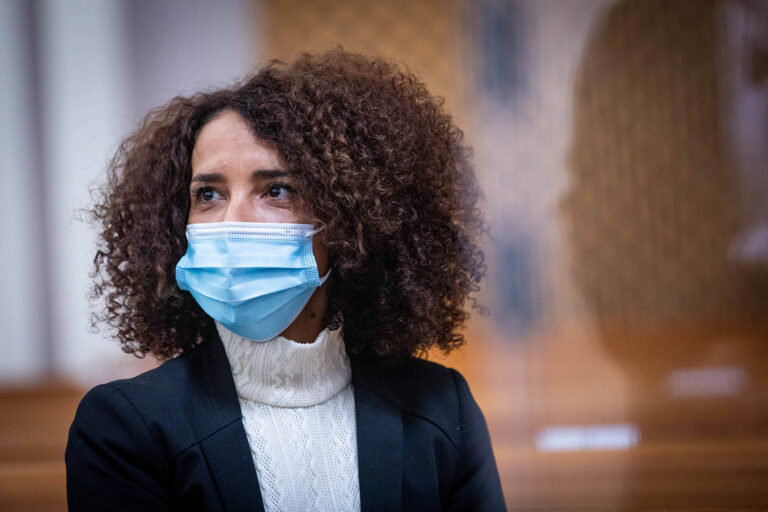
“The Mifal Hapais operating permit prohibits the installation of these machines, but soon the permit will be renewed for five years, and there may be various changes,” MK Mara’ana told Davar.
“My law will ensure that we never see these machines again, which were previously placed in areas where disadvantaged populations reside, and as a result have increased gambling addiction among youth,” she said.
Legal gambling in Israel is regulated and supervised by the Ministry of Finance, and lottery activity is regulated by temporary regulations that are updated every five years in accordance with negotiations between the parties. Mara’ana’s bill seeks to permanently remove these machines so that their ban will not be contingent upon the decisions made by the Finance Minister or by other senior officials in the Finance Ministry.
According to Mara’ana, the power of enacting the law currently resides in the Finance Ministry’s declaration not to allow the return of the machines, but if the temporary order is dissolved and slot machines return, it will give Mifal Hapais an opportunity to fight this proposal at a legislative level.
The activities of the “tax machines of the poor,” as Kahlon called them, were halted along with betting on horse racing in January 2017, after a struggle by Kahlon and the Ministry of Finance against Mifal Hapais, which opposed the changes.
Kahlon chose to focus on removing the machines because of the accelerated pace of play that characterizes them, which can lead to losses of thousands of shekels in a matter of minutes. Based on several studies published on the subject, Kahlon argued that the Mifal Hapais and Toto, a sports betting company, tend to place more booths in lower socioeconomic areas, in comparison to affluent areas.
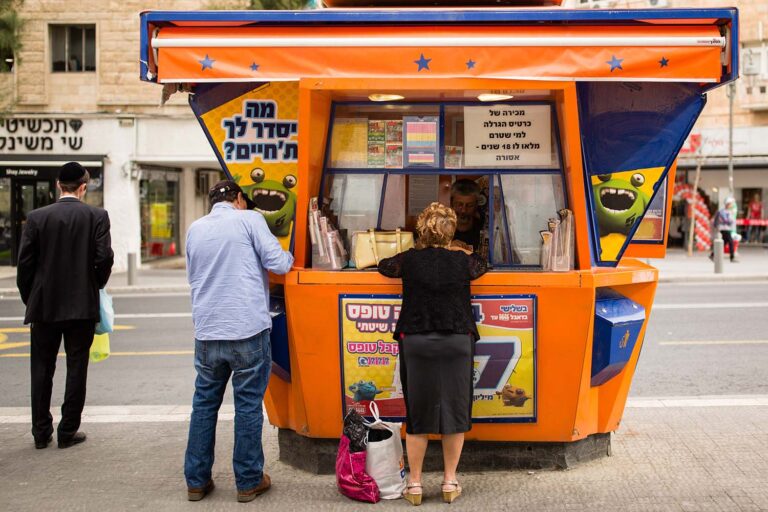
Mifal Hapais did not accept Kahlon’s decision, and a day after its announcement, the High Court issued an interim order to return the machines, after franchises claimed it would critically damage their livelihoods. Two weeks later, following pressure from the state, the High Court withdrew its order.
The Economy Committee is currently discussing a bill by MK Eli Cohen (Likud) which will permanently remove Mifal Hapais’ ‘Chance’ games from lottery booths. ‘Chance’ was temporarily banned through Kahlon’s order as well.
In a conversation with Davar, Cohen criticized Mifal Hapais, arguing that, against the backdrop of the lottery’s growing revenues in recent years, the state should investigate the continuation of the legal gambling enterprise.
“I’d rather have people keep their money for the good of their families and their well-being, instead of enriching state coffers with it," Cohen said.
This article was translated from Hebrew by Benji Sharp.