

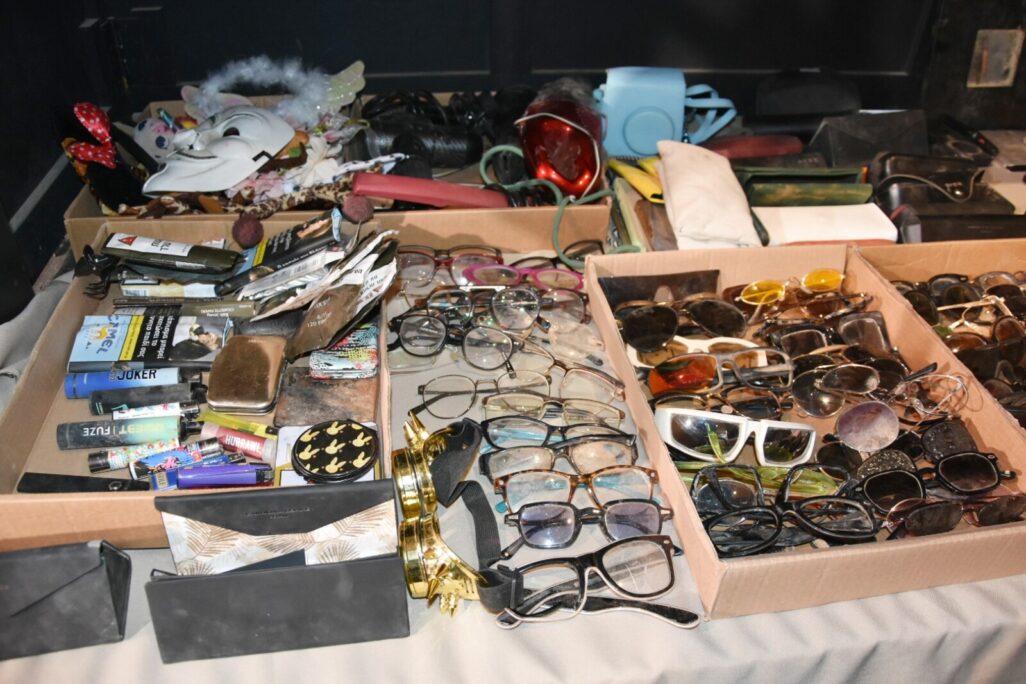
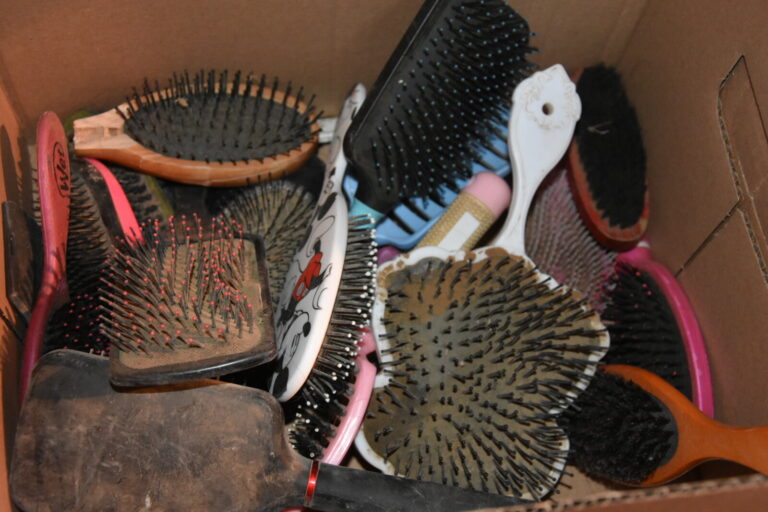
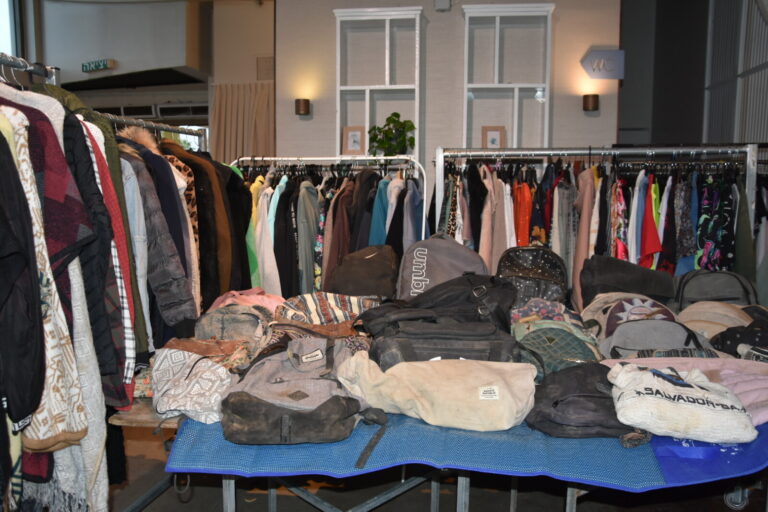
The stacks and piles of personal items are arranged like a monument: bags and purses, keys, socks, intact eyeglasses, trampled eyeglasses, hairbrushes, dolls and books, costumes and makeup, bathing and hygiene products, headphones, phones, car keys, hats, even a few kippot, squashed drinking bottles, clothing items sorted by gender and size, and most difficult of all: shelves of orphaned shoes. The piles, containing items from survivors and victims of the Re’im music festival massacre, fill your eyes with tears, tug at the soul. It was a party. It’s hard not to think about the piles of personal belongings collected at Auschwitz.
The massacre at the music festival outside of Re’im was one of the most shocking aspects of the Hamas’ Oct. 7 attack on Israel. Nearly one third of the day’s victims were festival-goers and more than one in seven hostages were abducted from the festival.
")
As of Wednesday, Nov. 15, thousands of these items, found at the party grounds near Kibbutz Re'im and in cars abandoned in the area, and collected by the Lahav Unit 433, have been brought to the therapeutic compound for festival survivors in Caesarea. The hope is that survivors or families and loved ones of murdered and abducted victims will come to identify the items.
")
Two Sundays ago, after the final count revealed that 350 people had been murdered at the party and 40 people had been kidnapped, the compound’s staff began to allow access to journalists. Dozens have arrived, from Israel and abroad. All who enter do so quietly, as if to a memorial.
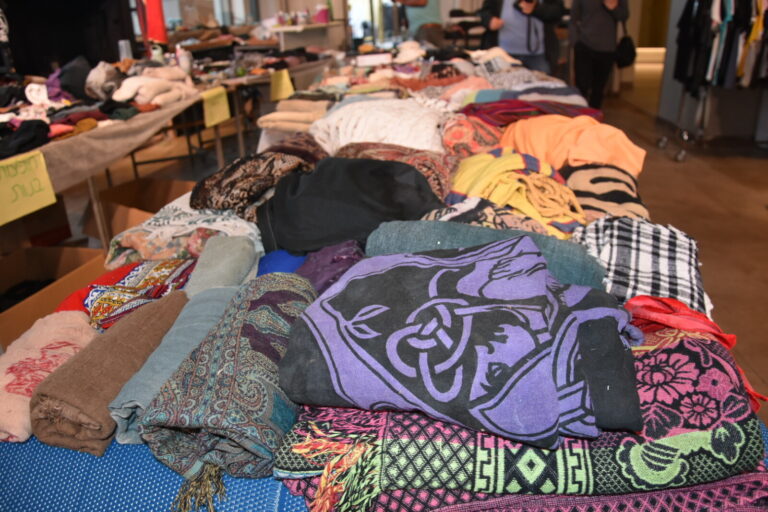
The small complex is cluttered with piles of neatly labeled objects resting on tables and hanging on racks. A sparkling red coat hanging among dozens of others catches the eye. A pair of rabbit ears, a few wigs, and glitter makeup all serve as a reminder of a party that ended in disaster. And there is also something less ordinary, a blender.
Volunteers and police officers sort through the items, verify information with the families, and gather photographs of each item in a binder. "The items that arrive here are unidentified items, ones that have not been identified by the police and authorities and have not been sent home to the survivors and their families," a crew member explains. The items arrive after they have been washed and cleaned.
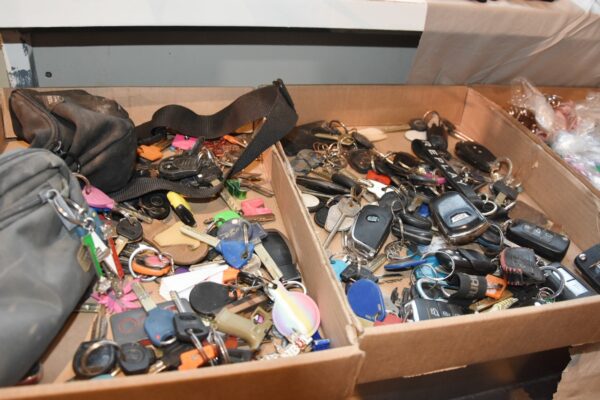
According to the staff, only a few families and relatives have arrived since last Wednesday. Heavy rain certainly had an impact, keeping families away. But last Thursday, they explain in whispers, heartbreaking scenes were seen and heard, of those who located items of loved ones who were murdered or kidnapped. Many caregivers are also present to support the families and loved ones and the survivors.

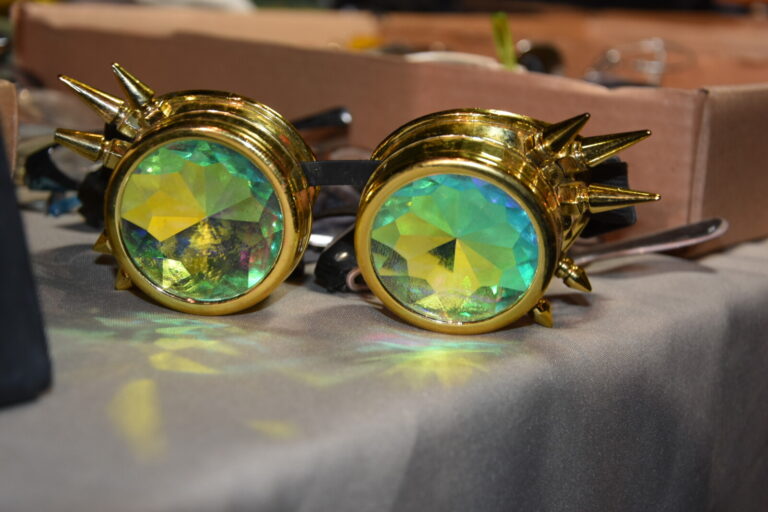
"It's very chilling for us," Raz Malka, one of the producers of the music festival, tells Davar. "This is equipment that doesn't have an owner and we don't know who it belongs to, but everything here belongs to people. Some are alive, some are not alive, some are kidnapped. We and the police don't know who these items belong to. It's like an everlasting wave of thousands of souls.”
"We really want the owners, families, and friends of people to whom these items belong to come and identify them," he adds. "I know it's very difficult, but there's a lot of sentimental equipment here, and I'm sure the families and everyone present will want to receive it."
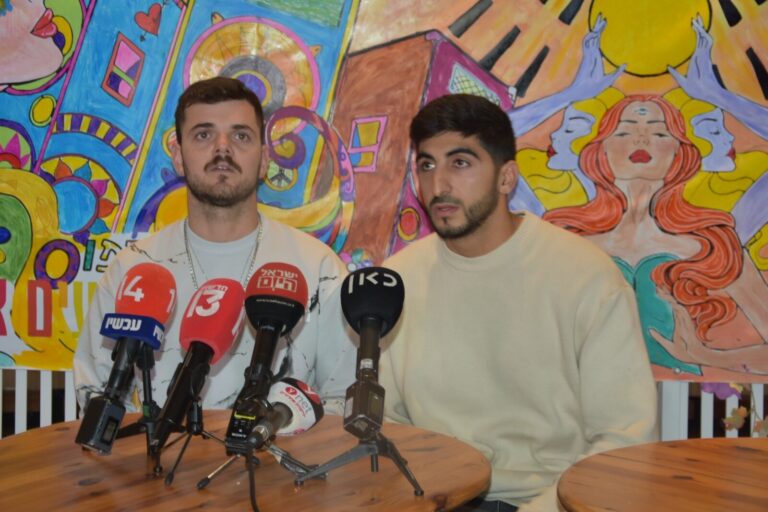
Malka says he prefers not to discuss what he personally experienced on Oct. 7. He was there, along with the eight other partners in the party production. He experienced the worst and lost many friends. But he doesn't need to talk—in his eyes it's clear that he left a piece of his soul there as well.
He calls on survivors who have not yet come out and have not spoken to contact the treatment centers. "Don't be alone," he says. "Come, start healing yourself. There are a lot of people who don't take care of themselves and it can be terrible."
")
Trying to reach everyone, he says, requires enormous efforts. "We are helped by good people, both colleagues in the field and people who simply sign up to volunteer. Without help, this could not have happened. We ourselves sometimes need a break. It's not simple. For us the event is not over. We do it wholeheartedly, for our community. This is our responsibility and we will not give up on anyone."
Despite the mobilization of volunteers, the compound still needs financial help. Malka says that state authorities are helping. "The National Insurance Institute, the Tax Authority, the Ministry of Justice and the Ministry of Social Affairs are here, and we are very grateful for that. But there is no financial assistance from any state agency, and we still need help. We ask anyone who can donate to this community to donate and help,” he says.
Donations can be made to the body of trustees responsible for the complex and the treatment and rehabilitation of the survivors on a dedicated page on the Giveback website.
The complex is open Sunday-Thursday between 10:00 am and 6:00 pm.