


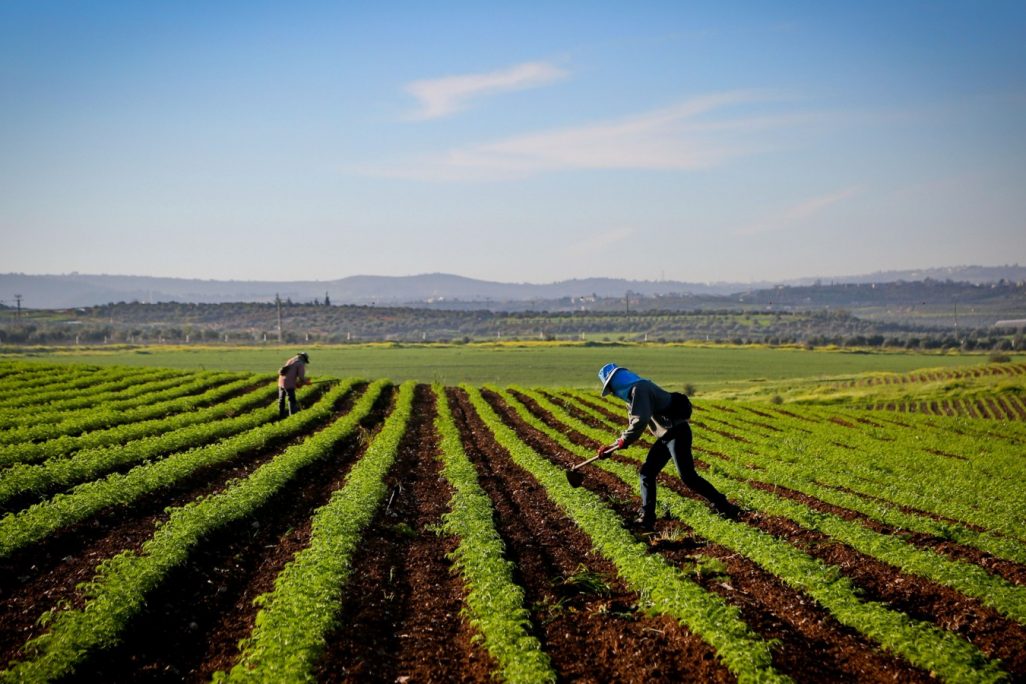
As Israel’s farmers face a changing climate and an uncertain political future, the Ministry of Agriculture has set forward a bold goal of a 33% increase in Israel agricultural production in the coming decade. “We are setting out and giving farmers the means so that they can get the work done and increase yields,” Agriculture Minister Avi Dichter said at the recent National Conference on Food Security and Nutritional Resilience. “In addition to that however, we need to provide a response to desertification, global warming, and geopolitical changes. Our iron rule is that it is in the best interest of the citizens in Israel that the shelves be full."
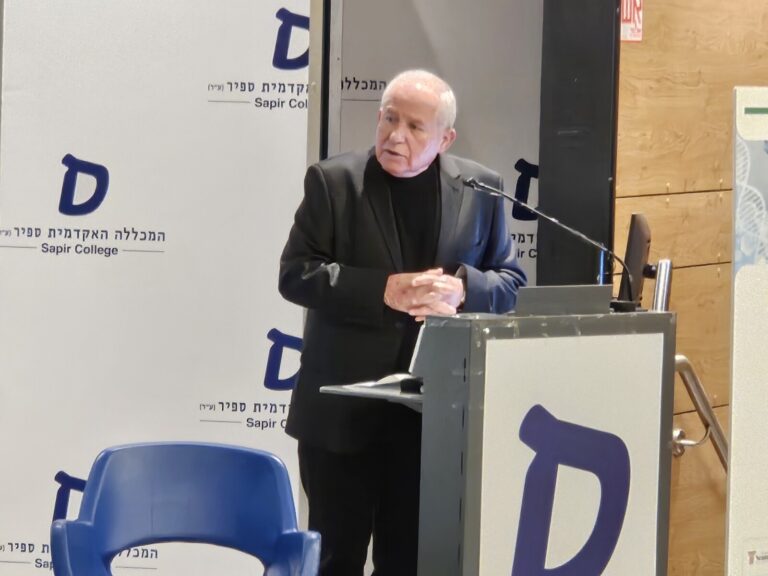
The two day conference covered an impressive array of subjects, exhibiting new technologies, strains of food, equipment, and developments in agriculture. Lior Caspi, the initiator of the conference, aimed for the discussions to be as multidisciplinary as possible. He said that meeting between the fields will make it possible to find the most promising solutions for improving the field of food security in Israel.
Caspi also emphasized the importance of holding the conference in the city of Sderot, which was hit hard in the October 7, 2023, attacks. “This is a large and significant event. These days especially, it’s clear that food security directly affects national security,” he said.
Eyal Shimoni, head of the Israel 2050 food security plan at the Samuel Neaman Institute for National Policy Research, told the attendees that his group’s goal was to ensure healthy, affordable food for all Israelis. “We must ensure nutritional justice and proper nutrition for all people in Israel,” he said. “Israel is challenged geopolitically and climatically, but we have proven as a nation that we can meet such challenges."
Food security, nutritional security, and food sovereignty are a top priority for every country around the world. In recent years, there has been a growing understanding of the connection between climate change, extreme weather, and geopolitical shifts. The need to ensure healthy diets and food availability is now a concern for countries in the developed world, not just those in Africa and South Asia.
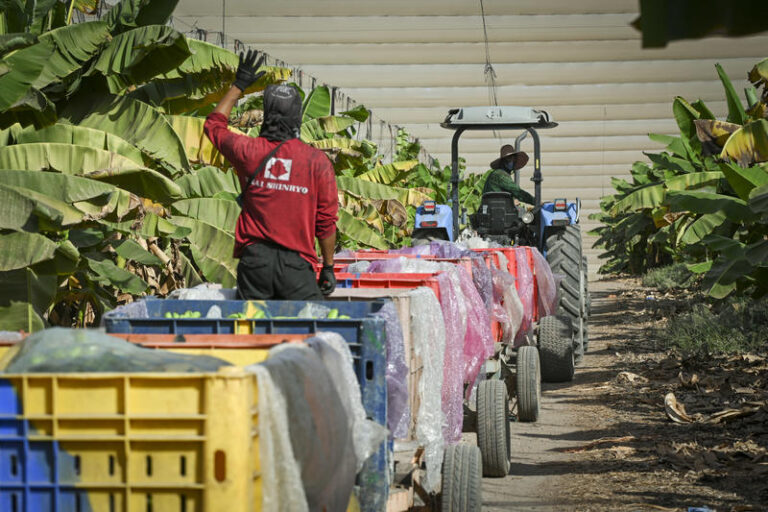
The conference included presentations from researchers from the Volcani Institute’s agricultural research directorate on groundbreaking research in the field of food cultivation and the adaptation of varieties to climate change at the conference. Leaders of the Israeli food tech industry also spoke about Israeli food tech innovations, ways to leverage local assets, and new approaches to financing.
Leading up to the conference, the director of food security at the Ministry of Agriculture, Yuval Lipkin, presented the interim results of the Israel 2050 food security plan. Challenges and goals relating to food security include dietary habits, consumer culture, food loss, agricultural interfaces and technology, and local, renewable agriculture. To this end, proper use of natural resources, land, water, and energy is required, while ensuring the sustainability of the entire economy.
“After years of stagnation, in which the state of Israel’s inability to look ahead in the long term became evident, I have the right and the responsibility to write a food security plan,” Lipkin said at the conference. He highlighted the importance of building a holistic process that integrates government bodies, nonprofit organizations, and the private sector.
This article was translated from Hebrew by Etz Greenfeld.