


On Monday the 22nd of December the government approved a plan for the development and growth of agriculture and water infrastructure in northern communities, with an investment of one billion shekels. As part of approving the agriculture, water, and environment sections of the multi-year plan for the rehabilitation and growth of communities along the northern border, NIS 1.007 billion will be allocated for the years 2026–2029.
The plan includes a broad package of measures including capital investments in agricultural farms, development of water and sewage infrastructure, R&D and innovation, agricultural education, and environmental rehabilitation. The decision was formulated under the leadership of the “Tnufa LaTzafon” (Momentum for the North) Administration, which will also allocate NIS 600 million to the plan, based on professional work led by the Ministry of Agriculture, in cooperation with the Ministries of Finance and Environmental Protection and the Water Authority. Alongside the administration’s budgets, the Water Authority, the Ministry of Environmental Protection, and the Cleanliness Preservation Fund have also joined the effort.
Minister of Agriculture and Food Security Avi Dichter said: “This is a dramatic change for Israeli agriculture and for food security in Israel. The focus is on direct treatment of the production factors in the food security plan, water, land, and R&D, following earlier efforts to expand human capital in agriculture. The plan aligns with the government decision to increase local agricultural output by one third over the next decade. The residents of the north are the fighters on the front line of national food security, as has been clearly demonstrated over the past two years.”
As part of the plan, which was formulated by the Ministry of Agriculture and Food Security, a mapping of the needs of farms and farmers was conducted. This mapping was translated into targeted responses through investments in capital, infrastructure, innovation, education, and rehabilitation.
About half of the program’s total budget, NIS 435 million, will be allocated to water infrastructure, which will help address drought conditions and increase the supply of water for agriculture, leading to greater efficiency and higher agricultural productivity. The multi-year plan developed by the Water Authority includes the construction of infrastructure for reclaiming and conveying treated wastewater, and the development of sewage infrastructure to reduce reliance on fresh water.
These measures are expected to lower water costs for agriculture and enable optimal use of treated wastewater for local farming. In addition, a runoff regulation site will be established at Kibbutz Evron to protect Nahariya from flooding and to store water for agricultural use. These steps will enable water storage and efficient use during the summer, increase flow in streams, reduce flooding of agricultural lands, and strengthen agricultural resilience in the North.
The agriculture chapter of the northern rehabilitation plan is intended to strengthen agriculture in the confrontation line communities and anchor its status as a regional growth engine. NIS 180 million will be allocated for capital investments in agriculture, including the rehabilitation of orchards and growing areas that were damaged, the establishment of new plantings, the purchase of advanced machinery and equipment, and the construction of greenhouses and growing facilities. These investments will be accompanied by professional training and planning support to ensure a quick return on investment and improvement of the local value chain. An additional NIS 123 million will be allocated for sustainable agriculture and the rehabilitation of soils and access roads damaged during the fighting.
In the field of R&D and innovation, NIS 71 million will be invested with the goal of establishing the region as a leading agricultural knowledge hub. A research center for advanced agriculture (Indoor Agriculture) will be established, demonstration sites and technological pilot projects will be operated in cooperation with agri-tech companies, and research will be promoted to develop new crop varieties adapted to a changing climate.
The plan also includes an investment of NIS 32 million in the development of agricultural tourism. An inter-ministerial team, in cooperation with the Planning Administration, will promote infrastructure planning for converting buildings and areas into agro-tourism initiatives and for establishing visitor centers and rural attractions.
In addition, the plan includes an investment of NIS 12 million in agricultural education and training the younger generation. The budgets will be directed toward establishing learning spaces for agri-tech and food-tech for students, training young people before and after military service, and providing professional guidance for new farmers. The goal is to build a new generation of agricultural leaders who will strengthen the economic and community resilience of the settlements.
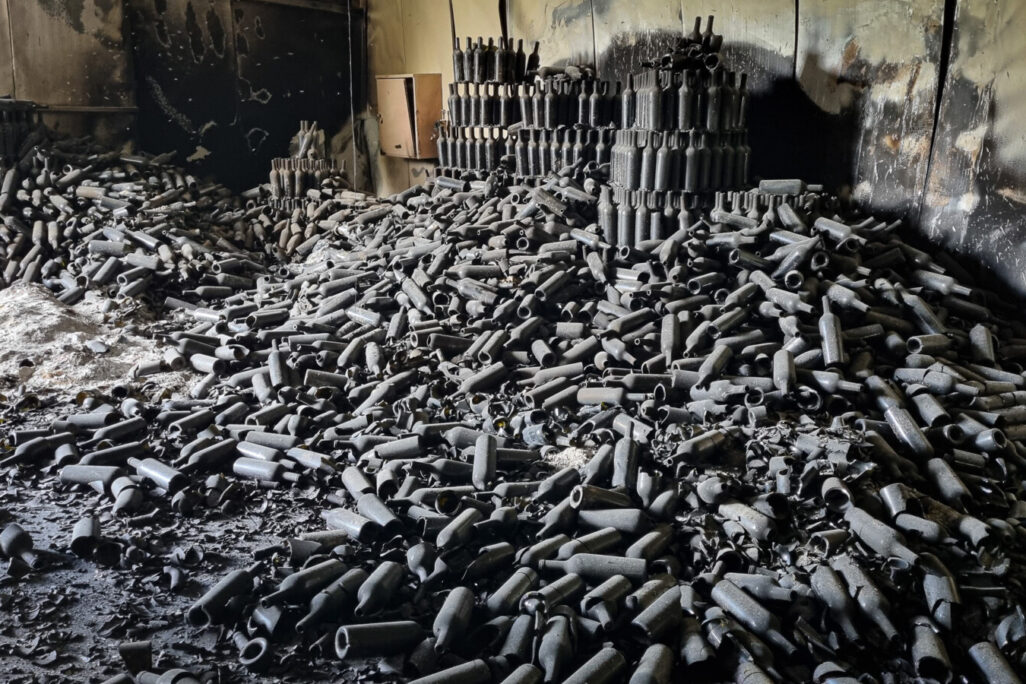
In the environmental protection chapter of the plan, NIS 154 million will be allocated, in cooperation with the Ministry of Environmental Protection, for the treatment of agricultural waste, the rehabilitation of open areas and streams damaged during the fighting, the removal of asbestos hazards, and the establishment of a framework for managing the Jordan River basin.
Minister Ze’ev Elkin, responsible for the rehabilitation of the north and south, said: “Today we approved a government decision allocating about one billion shekels for the years 2026–2029 to strengthen agriculture, water infrastructure, and the environment in the northern confrontation line communities. These are extremely important areas for the north, and unprecedented government support on this scale will change the reality in the region. We have taken another significant step forward in rehabilitating and developing the north and realizing our vision of demographic and economic growth along Israel’s northern border.”
Aviad Friedman, head of the Tnufa LaTzafon Administration, added: “The confrontation line communities produce about 58% of Israel’s eggs and a significant portion of the country’s fresh agricultural produce. This is a national asset, and its future depends on our ability to retain and attract the next generation. Investment in advanced agriculture, research and development, and rural tourism creates high-quality sources of livelihood— ones that will encourage young families to remain in the north and even choose to move there. This is another important building block in the significant demographic growth process we are leading in the north.”
Translated by Matt Levy