

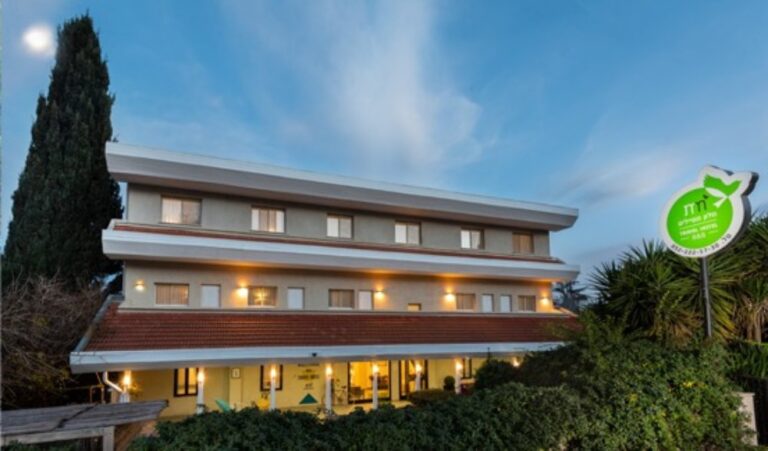
Fifteen months after the “Metaylim Metula” hotel was shut down, it is now set to become the first hotel in the town to reopen its doors to guests. Given that only about 50% of residents have returned to Metula and its economic activity has shrunk by two-thirds compared to the period before the war, this is a significant economic event that signals the possibility of a positive turning point for the economy of the veteran town, which suffered the most severe infrastructural damage along the northern border during the war.
“The most important thing the state needs to do right now is to strengthen the public awareness that Metula is open and safe,” Bat Chen Yeshua, CEO and owner of the “Metaylim” hotel chain, told Davar. During the war, all eight hotels and guest accommodations of the chain located along the Lebanese border were closed. The Metula hotel, parts of which were damaged during the war, is the only one that has yet to reopen, even though more than a year has passed since the beginning of the ceasefire.
“It took time for us to finish renovations, for residents to regain the confidence to return, and for the town itself to be rehabilitated. But the most critical factor is the return of Tel-Hai College,” Yeshua explains. According to her, the return of students to the area brought life back to the town, pushed businesses to reopen, and, most importantly, enabled the renewal of the available workforce in the region, which is largely based on young Israelis.
“On the employment side, there is a major shortage of skilled workers here, mainly cooks and trained service staff. On the business side, many have not returned, and those who were not evacuated are dealing with trauma. It is difficult for everyone to go back to work and reopen businesses, partly because there is fear that the calm could be disrupted.”
“The state is missing a huge opportunity”
In December, the Kiryat Shmona municipality set up a protest tent outside the Prime Minister’s Office due to the lack of sufficient economic support for the city and the entire region. Kiryat Shmona is the main provider of manpower and services for Metula, and its dire situation has far-reaching implications for the small town. Among other demands, the municipality is calling on the state to equalize tax and municipal rates in the city with those of the Gaza border communities and the south, to transfer a package of incentives to local businesses in order to attract employment, and to increase grants for tourism development, including the establishment of new hotels.
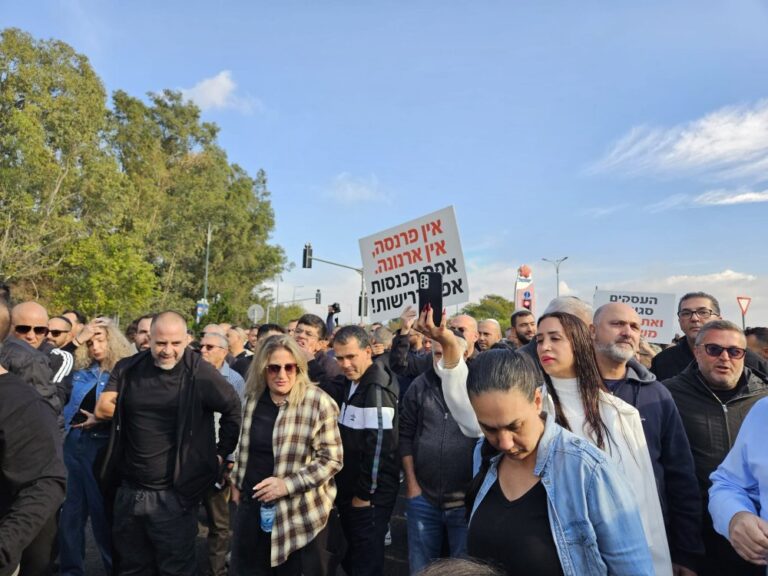
The head of the Metula Regional Council, David Azulai, told Davar that the stage of rehabilitating the town has been completed, and what worries him today are the future development budgets. “The Israeli government is not acting correctly,” Azulai explains, estimating that the town’s rehabilitation process will take at least another year. “The problem is that the state makes dozens of broad decisions that don’t necessarily fit every municipality, and in fact it is missing a huge opportunity to develop the Galilee.”
Yeshua says that the “Metaylim” chain, which is primarily aimed at the Israeli market, recorded a good financial year precisely because it does not rely on international tourism. Throughout the war, the chain continued its operations in the north in locations far from the border.
“We didn’t have to start over, and I’m glad we kept our promise to the head of the council not to abandon the town,” Yeshua says. “I think the state today understands that what tourism needs from it is to culturally activate the north: bring events, festivals, etc. The north doesn’t need donations – it needs marketing that reinforces the awareness that there is a presence here. That it’s possible to come visit, travel, and also stay overnight.”