


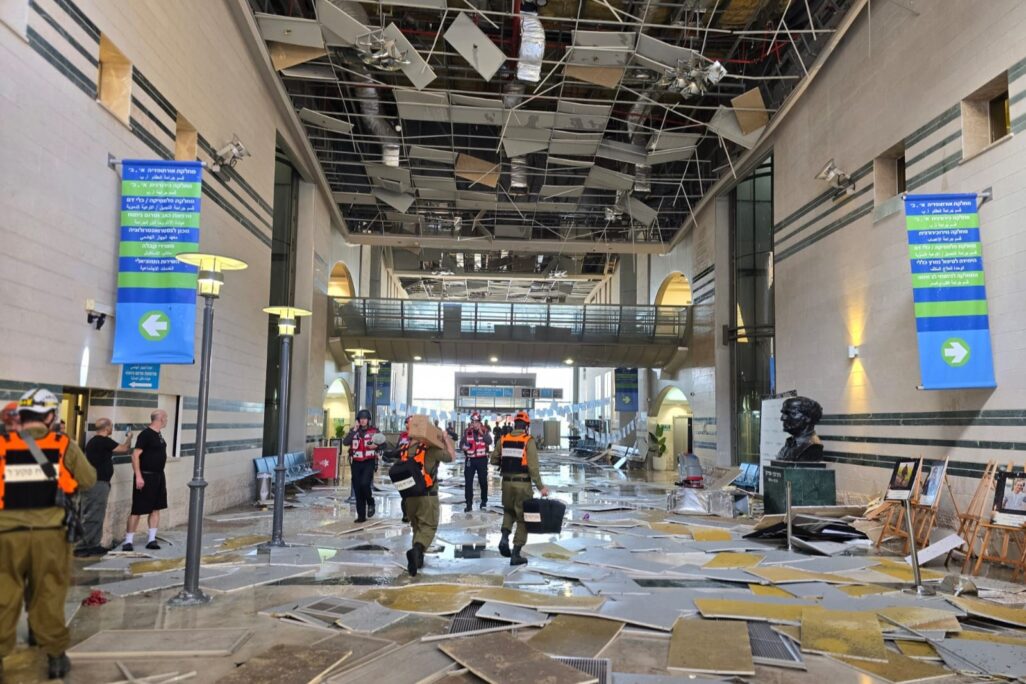
A State Comptroller’s report examining the state of protective infrastructure in Israel during the first year of the Swords of Iron war paints a troubling picture. According to the report, published on Tuesday, as of the end of 2024, 3.2 million Israelis did not have access to a standard protective shelter nearby.
The situation is particularly severe in border areas. According to State Comptroller Matanyahu Englman, around 40,000 residents, one-fifth of the entire population of the north, who live within up to nine kilometers of the border lack protection. In the western Negev, within the unprotected range of seven to 20 kilometers, more than 42,000 residents live in unprotected homes, most of them in Ashkelon.
The Home Front Command chose not to continue the municipal protection program
According to the Comptroller, the issue of protection gaps reached the desks of the state and the national authorities responsible for fortification as early as 2018, but the Home Front Command chose not to continue the municipal protection program. Moreover, the Command placed the responsibility for deciding how to manage protection systems in the hands of local authorities — contrary to government plans that stipulated the state bears this responsibility.
At the same time, despite opposition from the security establishment, the state advanced privatized protection frameworks in the form of individual grants to families to build safe rooms inside their homes. These proved to be of low effectiveness, in part because they were inadequately funded.
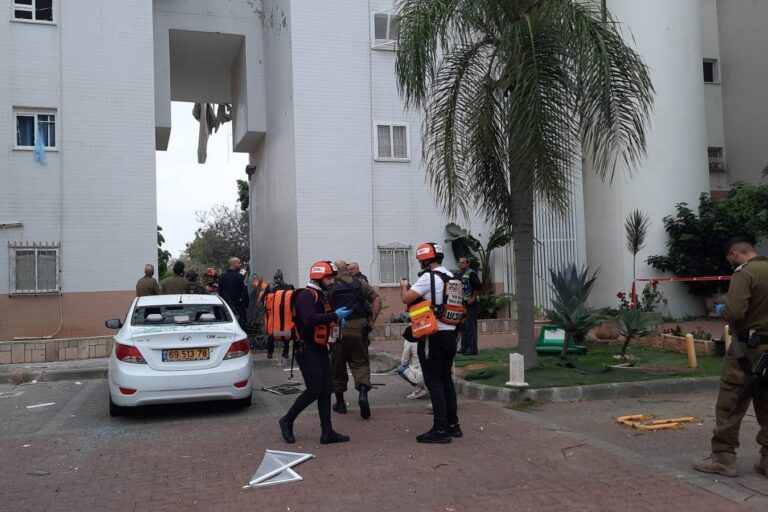
The Comptroller cites the case of the city of Ashkelon as an example. Between 2022 and 2024, the state transferred to the city, home to 160,000 residents, only 2.7 million shekels out of the 21 million shekels that were supposed to be allocated to Ashkelon under a dedicated government decision to strengthen protection in public spaces. According to the Comptroller, about half of the sum was not transferred at all due to the municipality’s failure to utilize advance-budget allocations. The reason the remaining funds were not transferred is unknown.
In addition, the report states that during the same period the state allocated more than 100 million shekels for grants to build private safe rooms. However, by September 2024, two and a half years after the program was approved, only one resident had made use of the grant.
The program was approved without appropriate budgetary sources
Based on the Ashkelon model, in the north, between 2018 and 2024, the state funded the “Northern Shield” program at only half of the amount promised for fortification, 1.4 billion shekels out of 3 billion shekels, because the program was approved without appropriate budgetary sources.
In examining budget execution, the Comptroller found that only one-fifth of the funds transferred in the four years prior to the outbreak of the war were actually utilized. The bulk of the money, 870 million shekels, was transferred only under political pressure following the outbreak of the war, and out of a desire to send a positive message to residents and evacuees.
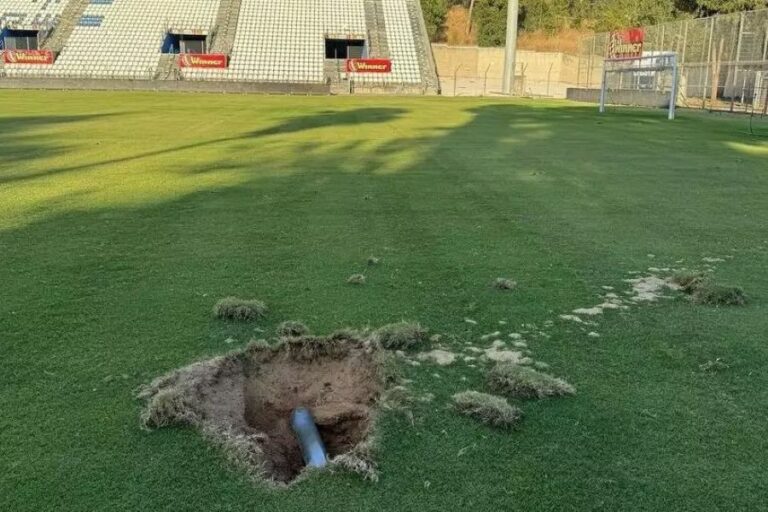
Most of the funding for protection, around one billion shekels, was directed to communities adjacent to the northern border fence. These communities are supposed to be fully protected by the beginning of 2027, after the state decided, contrary to the Treasury’s professional opinion, to fully finance the fortification.
In the remaining communities along the confrontation line, protection was privatized. According to the Home Front Command, only 15% of northern residents living between one and five kilometers from the border have so far made use of the government grant to build a safe room; for communities located between five and nine kilometers from the border, there is no fortification plan at all.
Lack of protection in public spaces is particularly severe in Arab local authorities
Further in the report, based on a population survey, the Comptroller found that the lack of protection in public spaces is particularly severe in Arab local authorities, where the vast majority of households have neither in-home protection nor access to public shelters. Out of approximately 11,780 shelters in Israel, only 30 serviceable shelters (about 0.3%) are located in Arab local authorities.
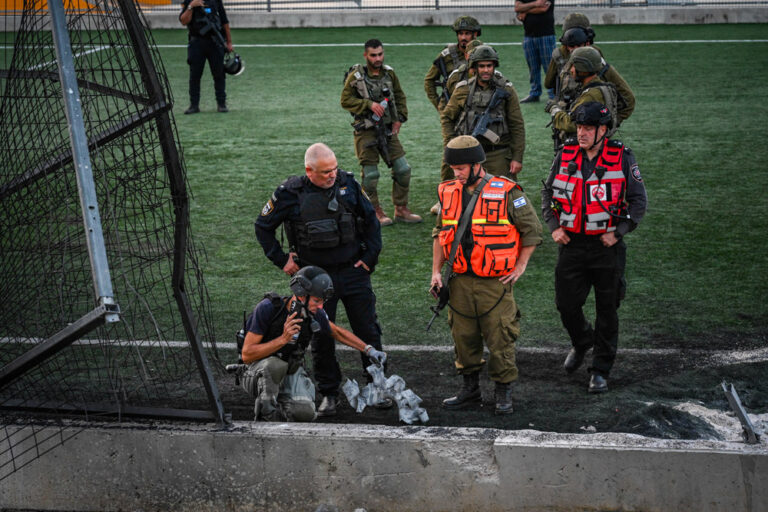
As of March 2024, a quarter of Israel’s students, around 460,000 pupils, were studying in unprotected schools.
In its examination of protection in Israel’s healthcare system, the Comptroller found that about 56% of hospital beds in Israel (approximately 10,500 beds) and 41% of operating rooms (168) are located in unprotected spaces. The Comptroller found that the state estimates it would cost about five billion shekels to close the protection gaps in the inpatient system, yet during the war hospitals received only about half a billion shekels, around 10% of the required budget, to fortify themselves.
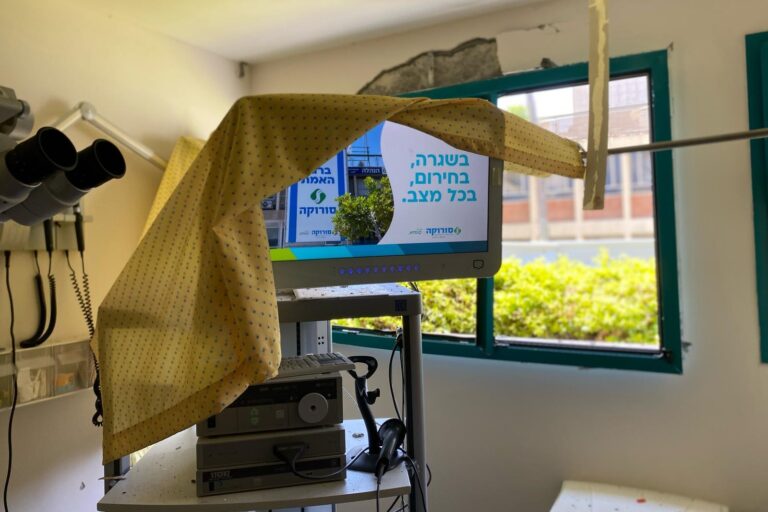
According to the Comptroller, protection gaps led three hospitals located near the border to close entire departments, after the Home Front Command determined that patients should not be hospitalized in unprotected areas of hospitals. In major hospitals, including those in central Israel, departments were forced to suspend operations for extended periods at essential sites that were not protected, and medical staff were compelled to carry out some medical activities in locations not suited to their needs.
In many cases, according to the report, urgent treatments continued in unprotected care centers even during alerts, while waiting times for routine treatments in hospitals near the border lengthened due to the increased load.