


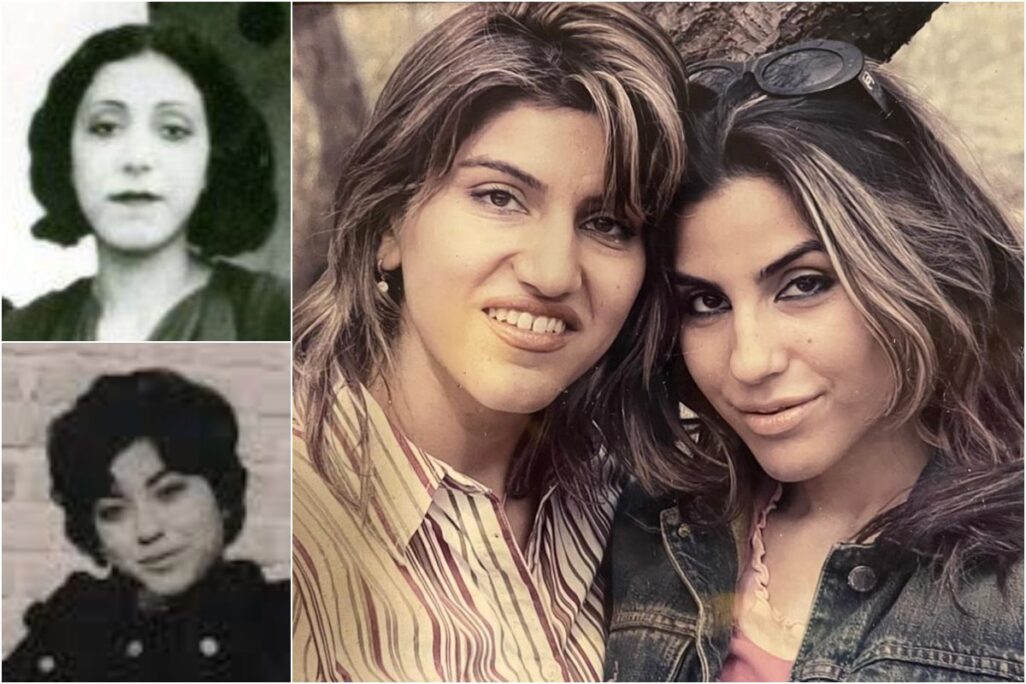
For me, International Women’s Day – as for many Iranian women, both in Iran and in the diaspora – is a day of remembrance, struggle, and a dream of freedom. It is a day when I think of the women who fought before me, and those who continue to fight today in the streets, at universities, in schools, and at home. A day when personal and collective memory intertwine: memories of restrictions and fear, but also of courage, solidarity, and hope.
In my given name, Saba, I carry the name of my maternal grandfather, the musician Abolhasan Saba, who taught a generation of Iranian musicians the secret of playing the violin – and in my family name, I carry the name of my father, the poet Esmail Khoyi, who painted in his words a different, more beautiful Iran. But my heart was shaped above all by generations of brave, creative, dreaming women.
My maternal grandmother, Monoukhet Espandiar, was a singer, seamstress, and artist who nurtured traditional Iranian handicrafts and collected unique techniques during her travels across Iran, which she taught in a workshop she founded and passed on to her young students. She hosted a radio program called Women and Life. Over her lifetime, she published more than 45 books, and the folk puppet exhibition she created was inaugurated in 1974 in the presence of Queen Farah Pahlavi.
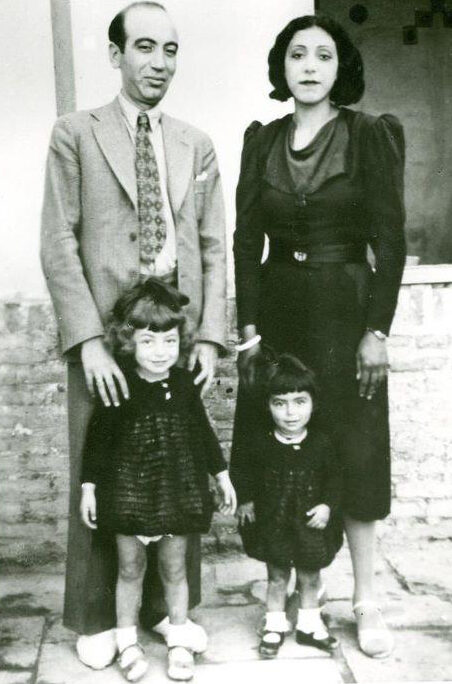
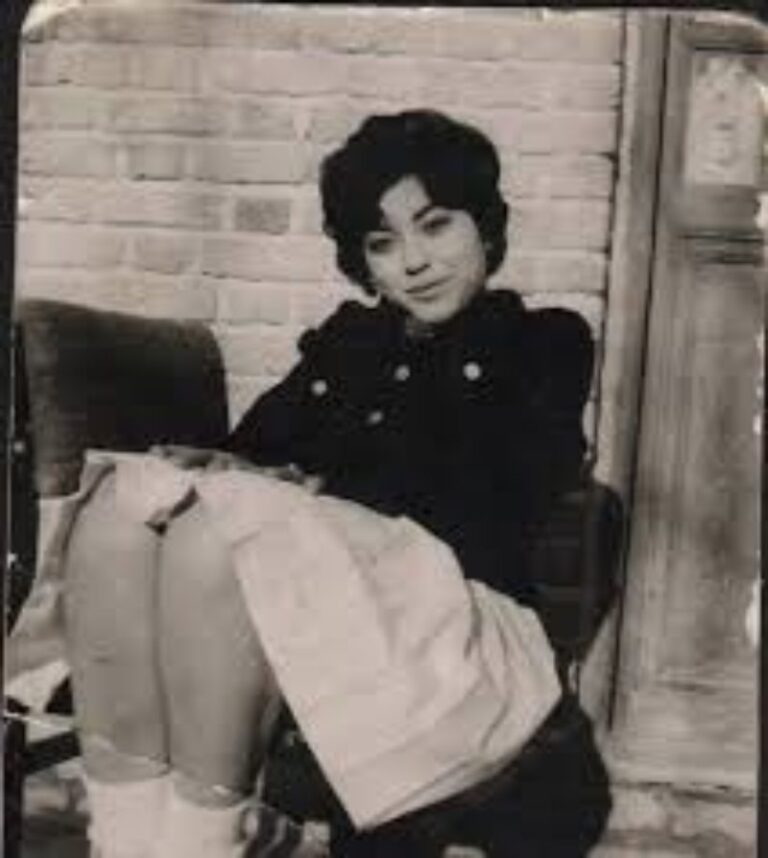
My mother, Roxsaneh, grew up in an environment steeped in music, art, and intellectual life. From a young age, she was deeply engaged in creative work and took an active role in cultural circles, founding a center for modernist art in Tehran on 29 Rasht Street, a space that became a hub for cultural and artistic dialogue. It served as a gathering place for leading Iranian artists of the time, nurtured young talent, and played a key role in passing Iranian culture and art from one generation to the next. Despite political pressures, including police raids and arrests in 1970, the club remained a symbol of artistic and cultural freedom and was also the first openly inclusive space in Tehran to welcome the LGBTQ+ community.
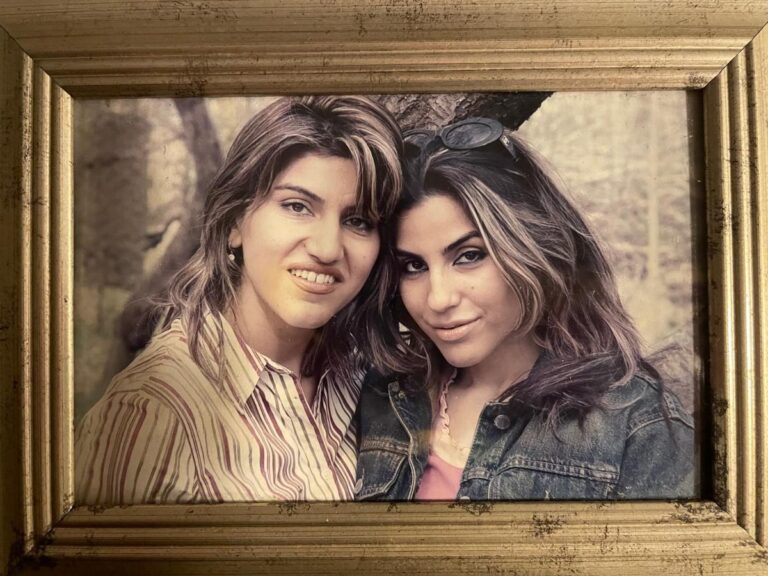
I was a small child when the revolution broke out, not yet four, and my parents had to flee into exile. I grew up with my sister Suraya in my paternal grandmother Akhina’s home, who was a daughter of the forcibly converted Jewish community of Mashhad and secretly maintained her Judaism despite the mortal danger it entailed. She was our refuge, a source of stability, and an exemplar of courage and integrity. Her presence and protection during those years shaped my identity, my sense of dignity, and my ability to cope with adversity. She instilled in us a Jewish identity through hints, embedding it in stories and customs whose meaning only became clear to me in adulthood, without ever stating openly what might have endangered our lives under the regime of terror.
The brave women in my family bequeathed me a dream of a different Iran. An Iran of laughing, singing, and playing women. An Iran where freedom is not a slogan but a reality, where girls grow up without first learning the boundaries of fear. An Iran of زن، زندگی، آزادی (Woman, Life, Freedom), one that will return to modernity and to the movement for women’s liberation that characterized the era of Reza Shah and Mohammad Reza Shah. Then, Princess Ashraf Pahlavi and Queen Farah Pahlavi encouraged women to study, express themselves, create, and be active in public and cultural life. An Iran completely different from the one in which, in January 2024, my beloved sister Suraya was murdered by the regime. In her memory and for her daughter, I dream and believe that such an Iran can still return, it is still possible.
In these days, as Israel and the United States attack the Islamist terrorist regime, I feel and hope that my dream will come closer to reality. Like many Iranians, since October 7, I have felt a deep sense of identification and solidarity with Israel – and I even founded the "Cyrus Alliance" organization to strengthen relations between peoples – named after Cyrus, King of Iran, the first Zionist who enabled the return of the Jews to their land and the rebuilding of the Temple.
Our histories are intertwined, also through the figure of Queen Esther – a woman who lived at the heart of the Persian Empire and became a symbol of courage and standing up to tyranny. Her story reminds me how deep the connection between our peoples is, and how great the power of women to shape history can be, even in moments of danger and darkness.
May the millennia-old historical partnership between our two peoples pave the way for our freedom today, enable the overthrow of the regime that oppresses women, thought, and liberty – and open a path to a freer Iran, for its daughters and sons alike.
Saba Khoi is an Iranian political activist in exile, founder of the “Cyrus Alliance” for cooperation between Israel and the Iranian people.