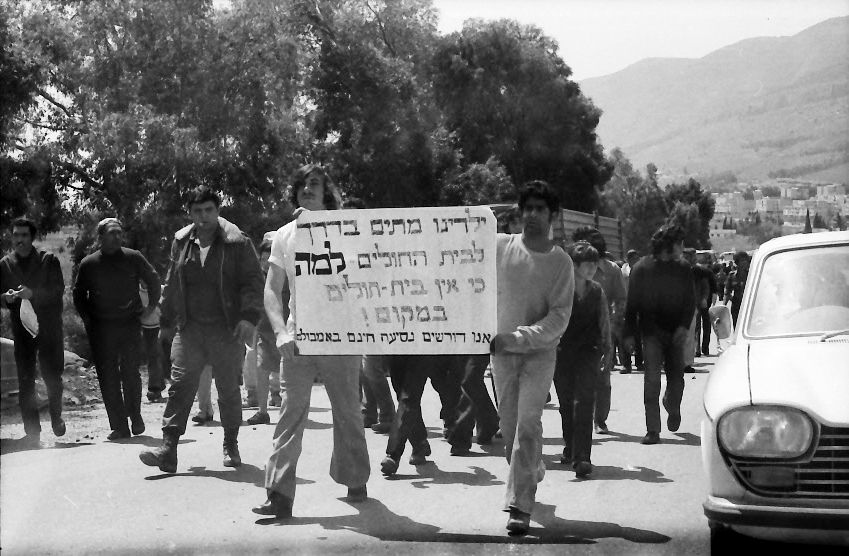
"I am not a photographer at all, I am a painter," says Avraham Eilat (86). "I bought a camera when my son was born, and I haven't stopped photographing since." The photo archive on his computer is packed with folders containing photographs from across Israel and other series he has captured over decades. He was born in Kfar Saba, studied at the Herzliya Hebrew Gymnasium, and currently lives with his partner, Margol Gutman, in Ein Hod. At the "Lev HaShvil" Gallery in Ein Hod, curated by Dan Chamizer, he will present photographs from his years at Kibbutz Shamir in the Galilee Panhandle, where he first arrived as a Nahal soldier in 1960.
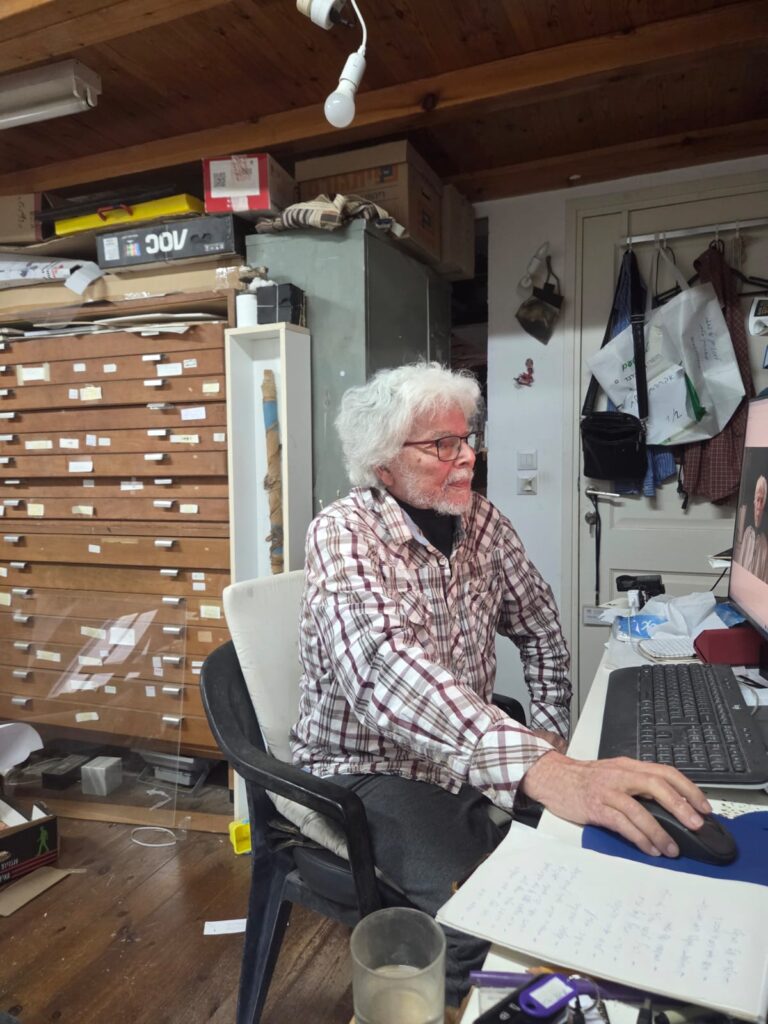
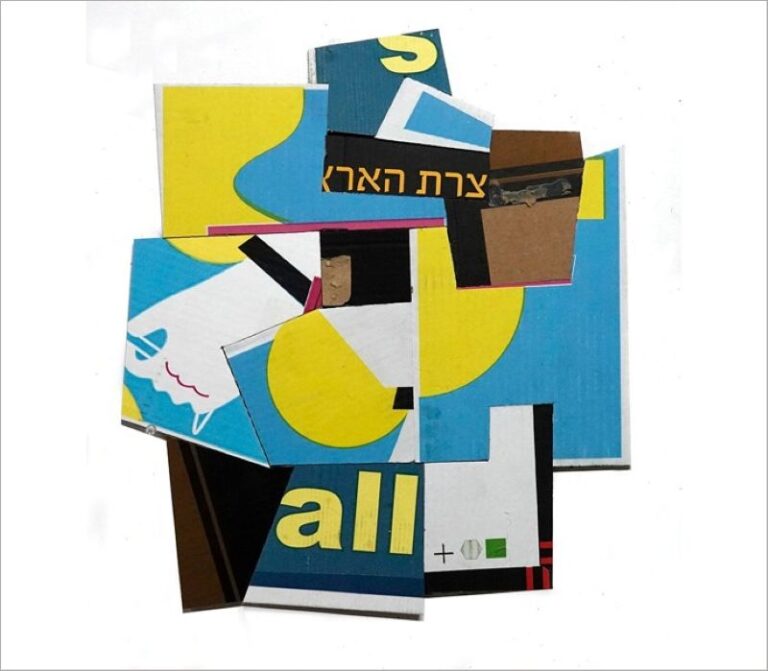
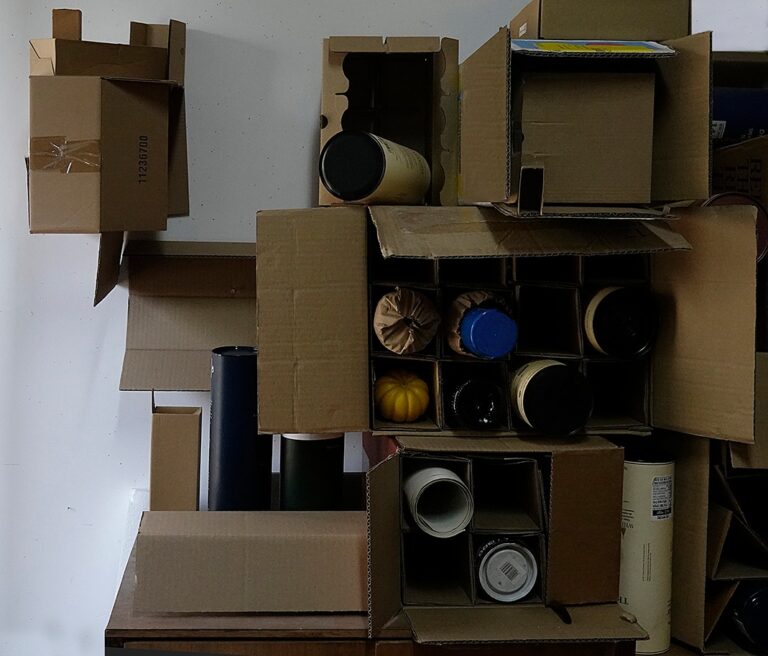
In his studio, located in the yard of his home, his works hang on the walls: sketches, drawings, etchings, paintings, and inlays made of cardboard packaging. The camera sits next to the computer. "I used to print here," he says. "Today, I scan the photos and work on them on the computer, but I do everything here. My camera just broke, so now I’m photographing with my phone."
Eilat loves photographing and looking at his photos, "but the paintings, sometimes you look at them, and they suddenly do something to you. It’s important to me that the photographs are good because I come from a painting background. It’s a painter’s eye looking at composition. On the other hand, I had a strong desire to document; documentation is incredibly important, the photographic qualities as well as the qualities of the painting."
When asked if he views himself as more of a photographer or a painter, Eilat replies: "There are people who are certain I am a photographer because that is how they know me, and there are those who know me as a registrar. The art world denounced me because I was constantly changing and coming out with something new."
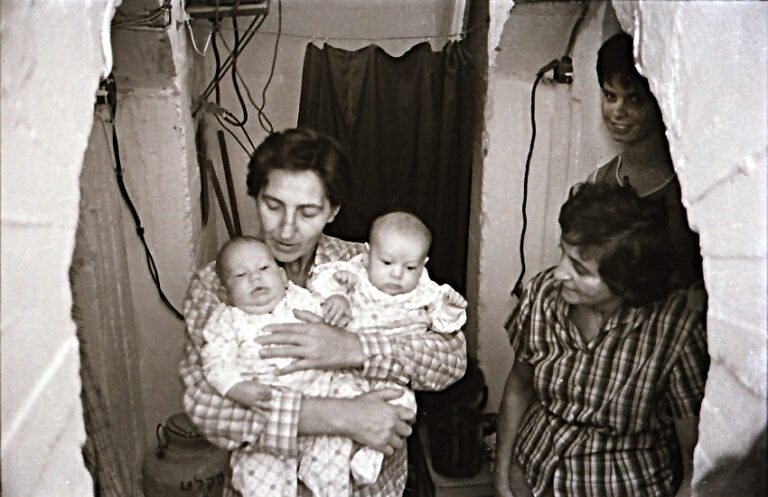
"I always loved to photograph the atmosphere, the daily life. Not photojournalism, just capturing life, the kibbutz."
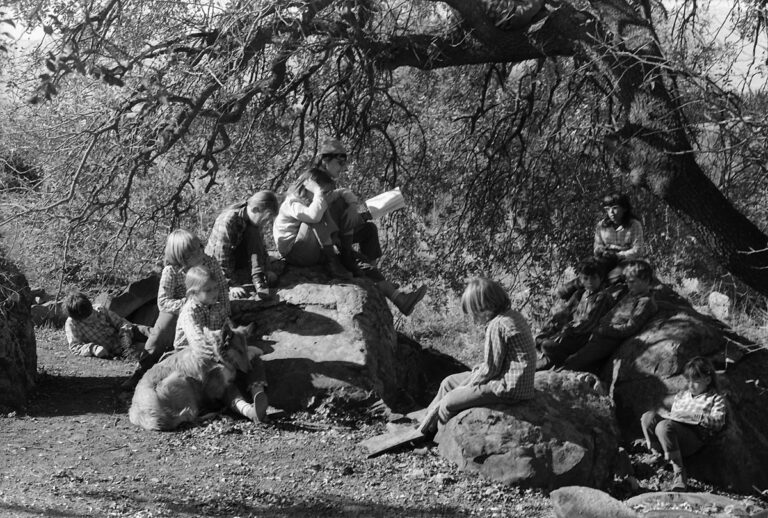
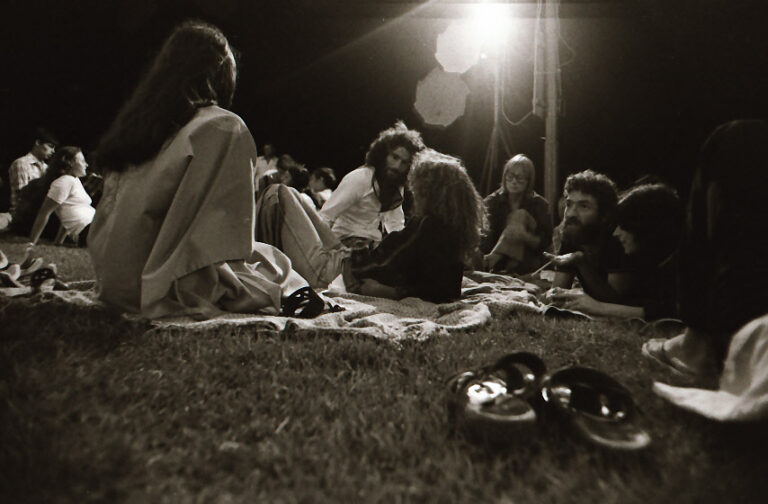
Shamir on the border
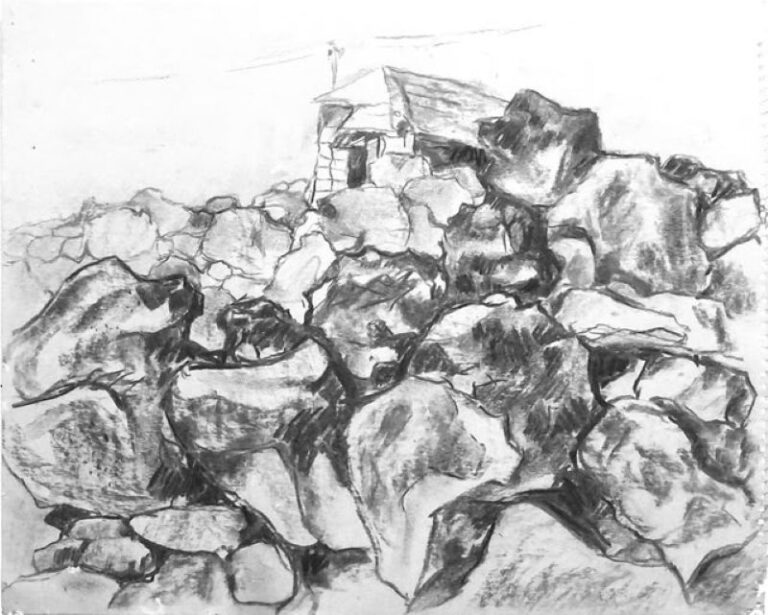
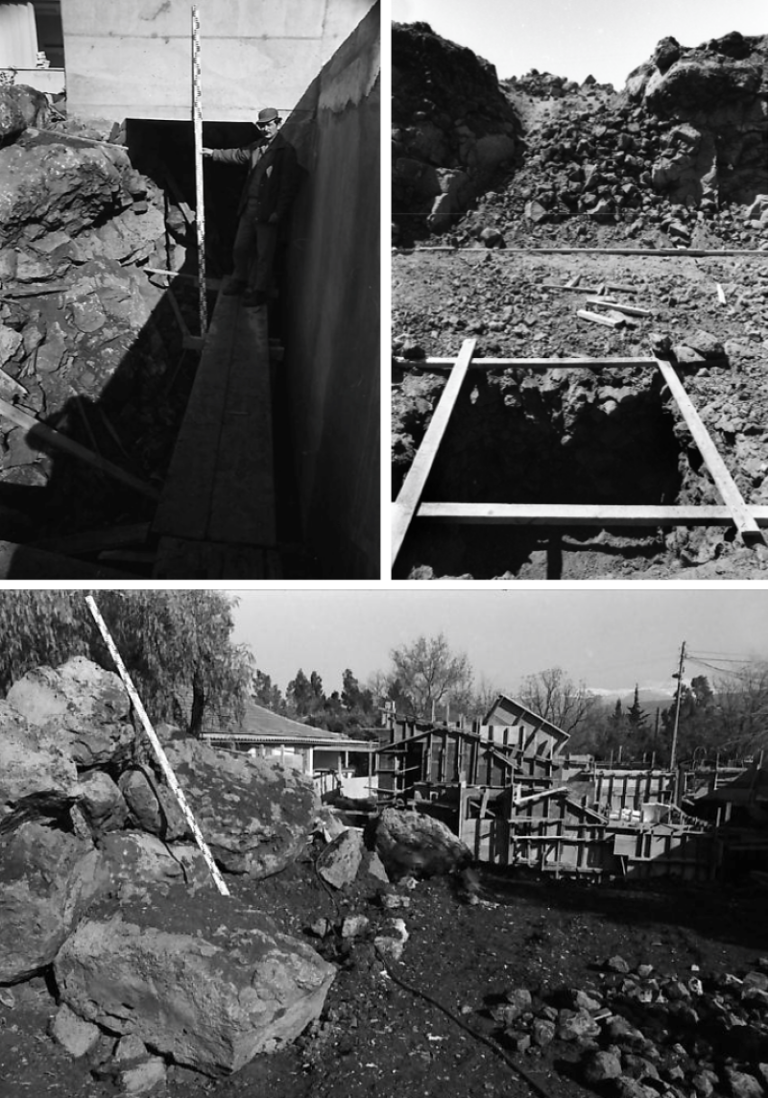
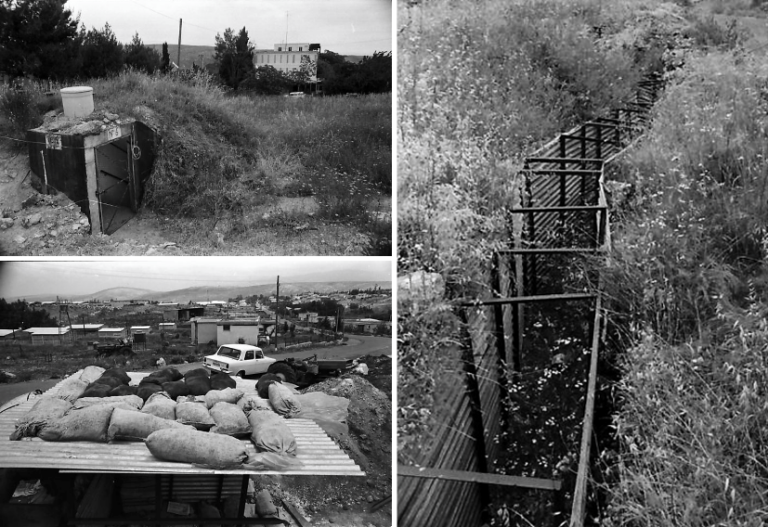
In his folder of photographs from Shamir, there are dozens upon dozens of pictures. "In the 60s, the Syrians would attack. We were 700 meters from the border. Shamir was established on a hill of boulders and rocks. To build bunkers, they had to use explosives. I was a shepherd, so sometimes I had an escort of paratroopers who accompanied me right along the border."
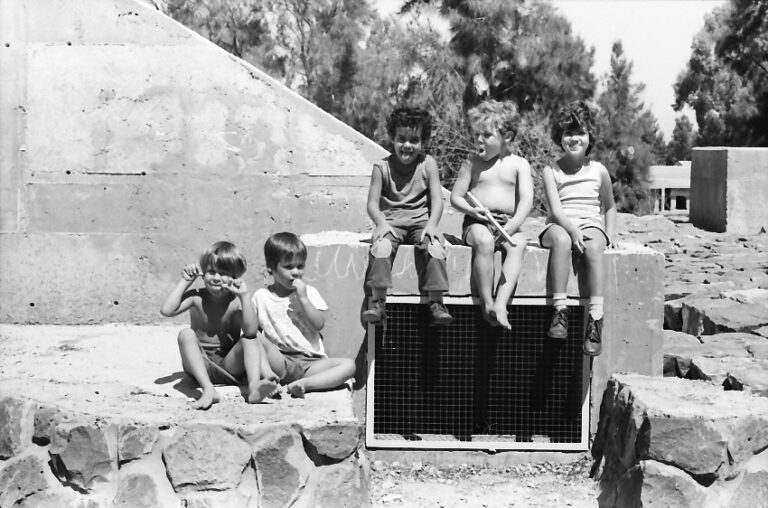
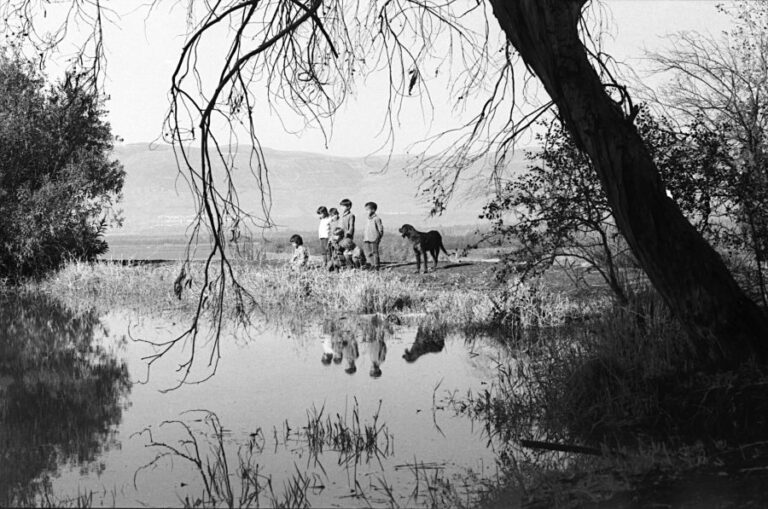
"Once," he recounts, "I went for a walk with a group of children from Shamir to Kfar Szold. It was a path that passed right along the border. I wasn't afraid, but I should have been."
In June 1974, terrorists from Lebanon infiltrated the kibbutz, opened fire on members, murdered three women, and barricaded themselves in one of the houses. “I happened to be working in the dining hall that morning,” he recalls. 'It was a terrible mess because there had been a movie night the evening before, so I decided to educate the kibbutz. I collected all the trash and set up an exhibition at the entrance to the dining hall. I ran to get a camera to photograph the exhibition. While I was taking pictures, a guy came running toward me, completely in shock, telling me there were terrorists in the kibbutz. It was already the end of breakfast; a few guys from the field crops unit were sitting in the dining hall. I told them, but they didn't believe me because I wasn't being hysterical. They had weapons, they ran toward the scene, and I followed with my camera.”
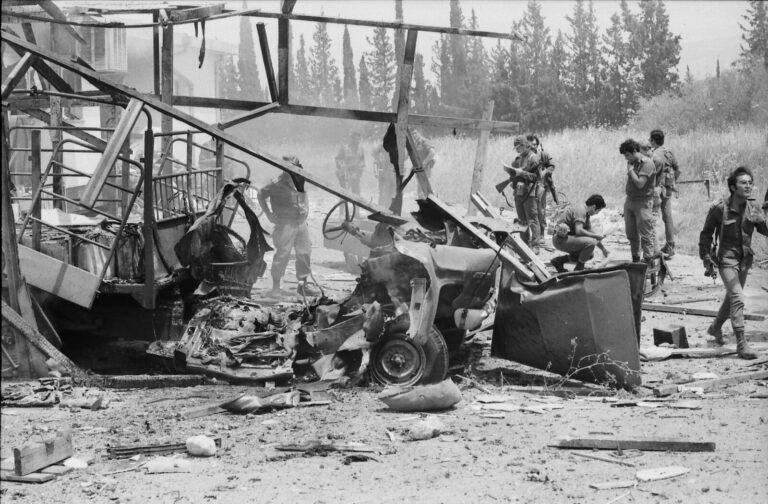
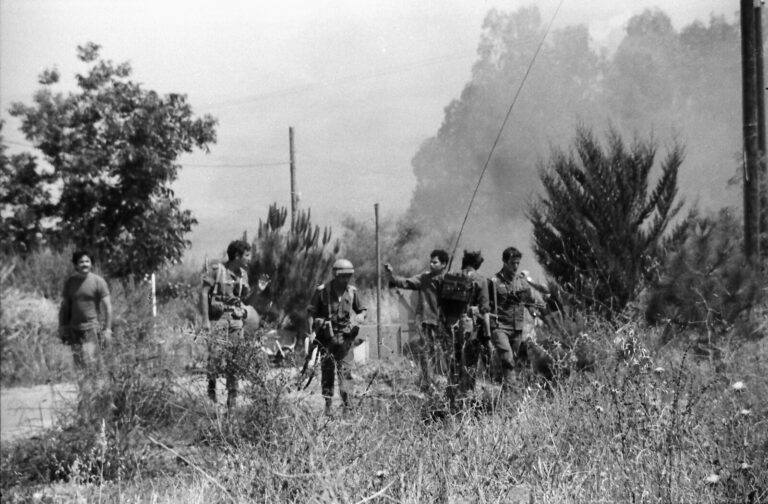
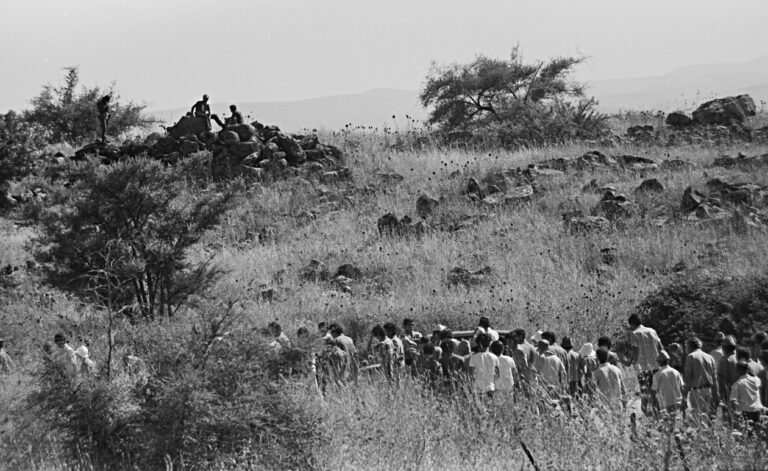
Eilat was the only person who actually took photos on the day of the attack. "Later, crowds of journalists arrived and chased after me, wanting me to give them the film I had captured. I didn't want to give it to them because I didn't trust them. Eventually, someone who seemed reliable came along, and I gave him the film, which is a very rare thing for a photographer to do. He took it, developed the photos, and returned them to me. Later, those photos were published in the Tribune all over the world."
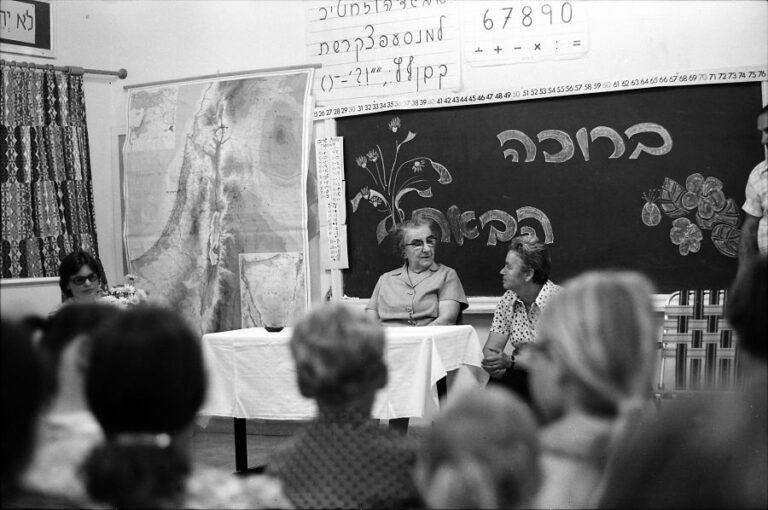
Eilat didn't miss the visit of Prime Minister Golda Meir during her meeting with the kibbutz members and Sarah (Shurika) Braverman (one of the "Paratroopers of the Yishuv (Settlement)" who fought with the partisans, served in the Palmach, established the Women's Corps, and later, in 2010, lit a torch at the Independence Day ceremony). "I went to see Golda," he says, "so of course, I took photos."
Kiryat Shmona
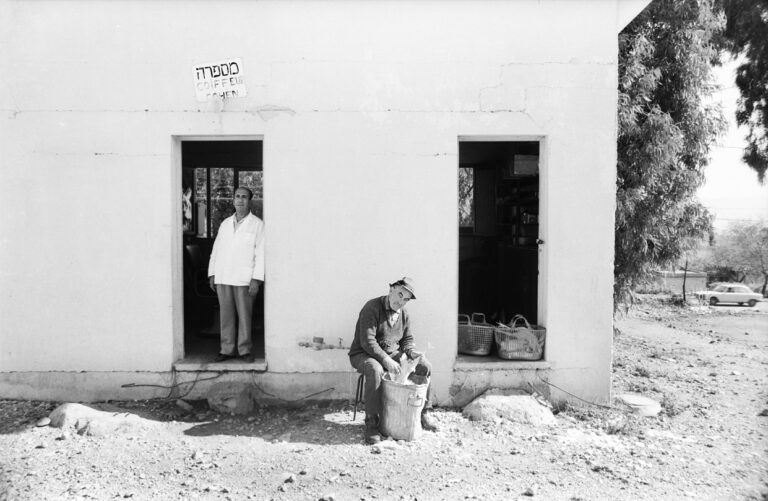
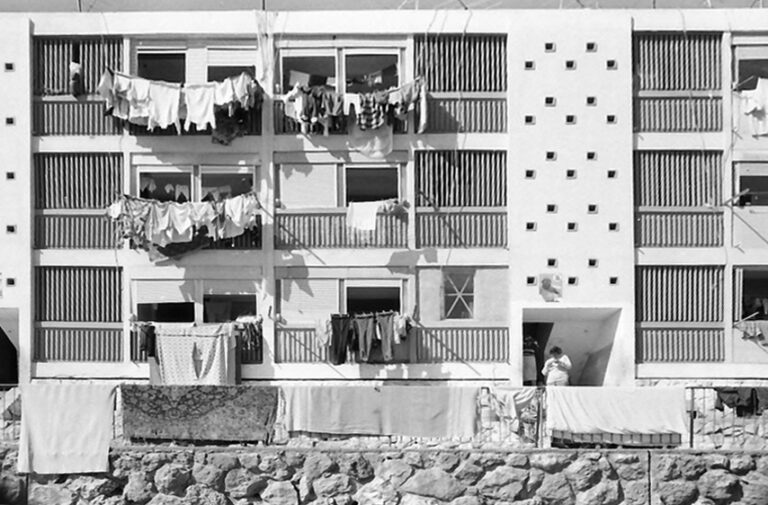
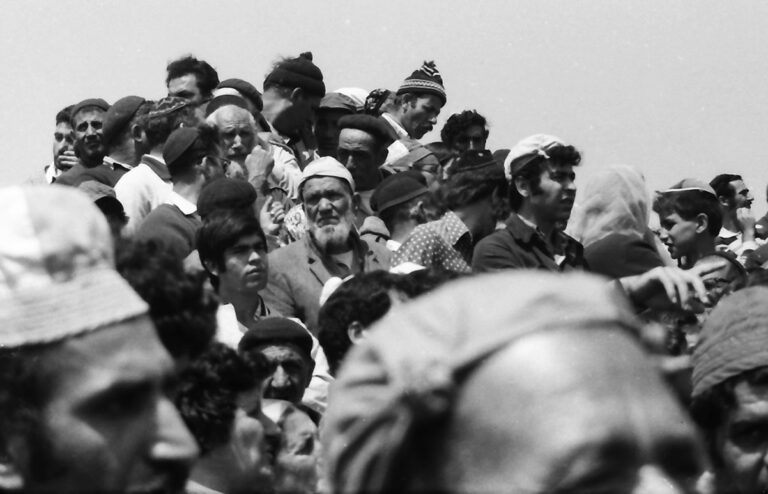
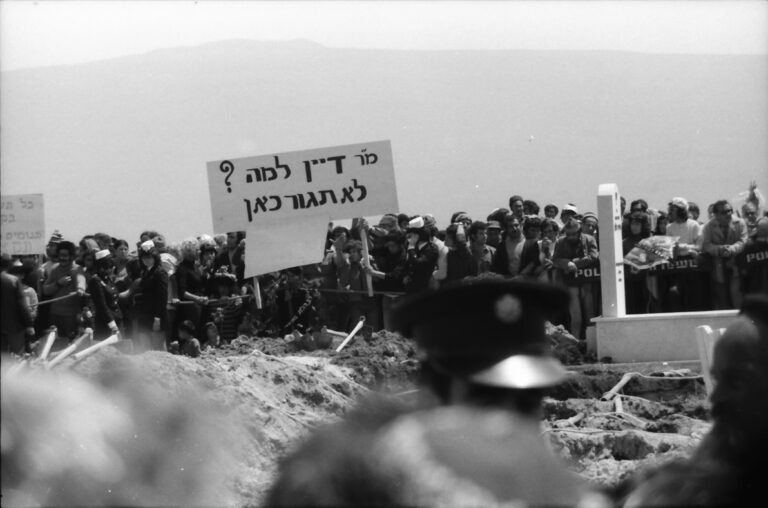
During the years he lived in Shamir, he also took photographs in the surrounding communities. In Kiryat Shmona, he captured, among other things, the funeral held after the terrorist attack on the city in April 1974.
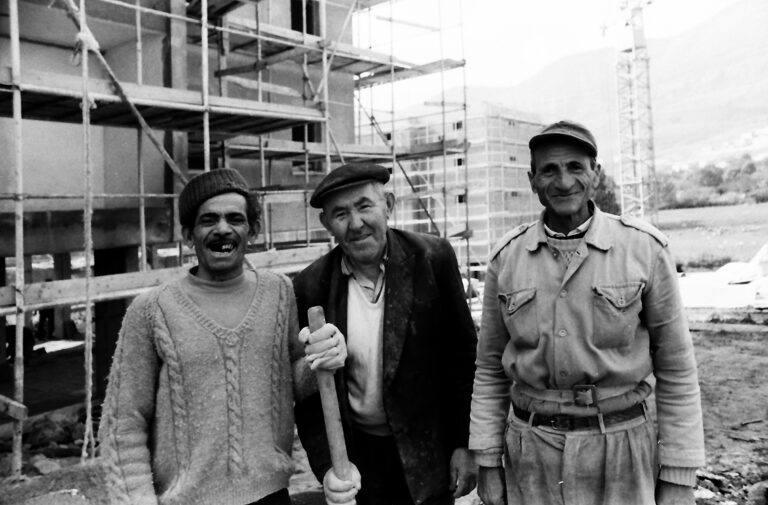
Metula
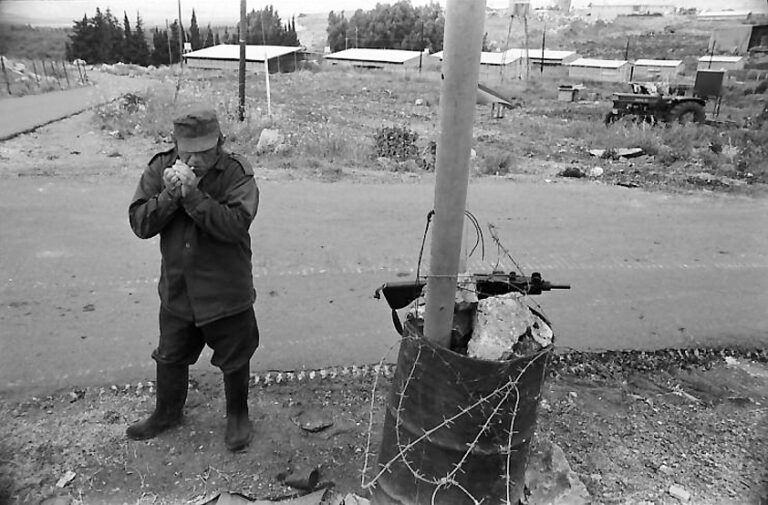
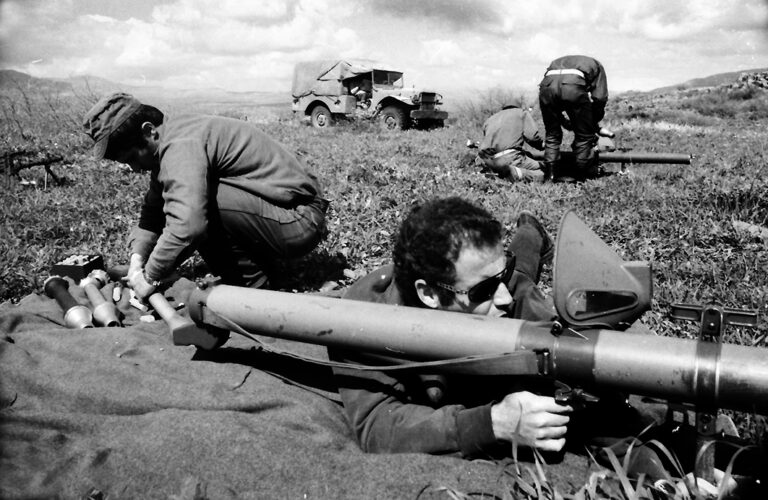
From the Golan Heights to the Negev
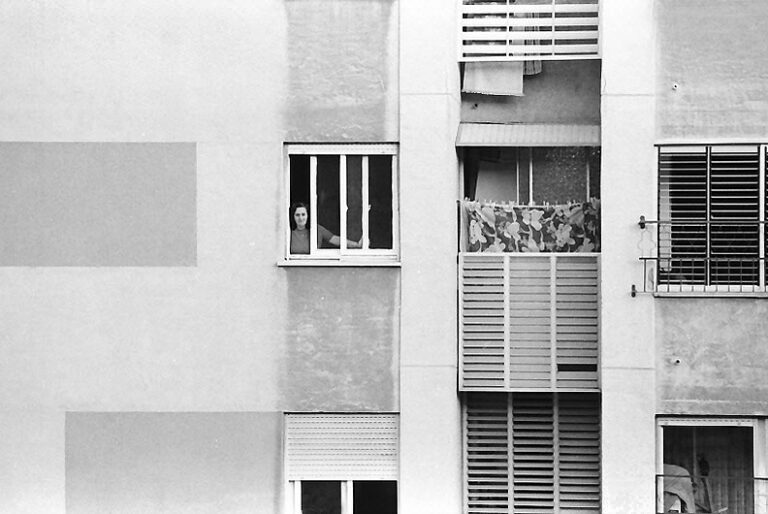
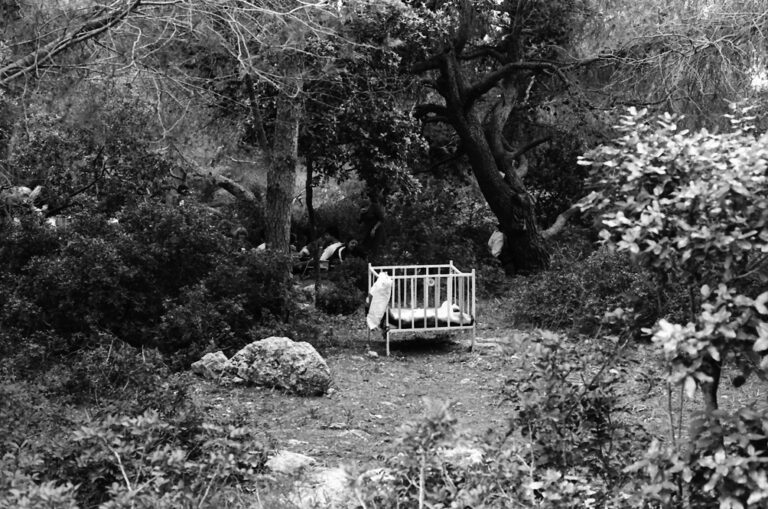
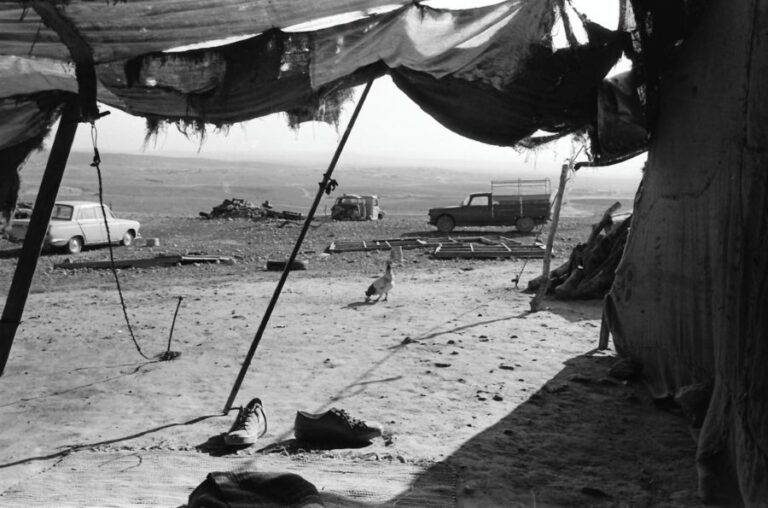
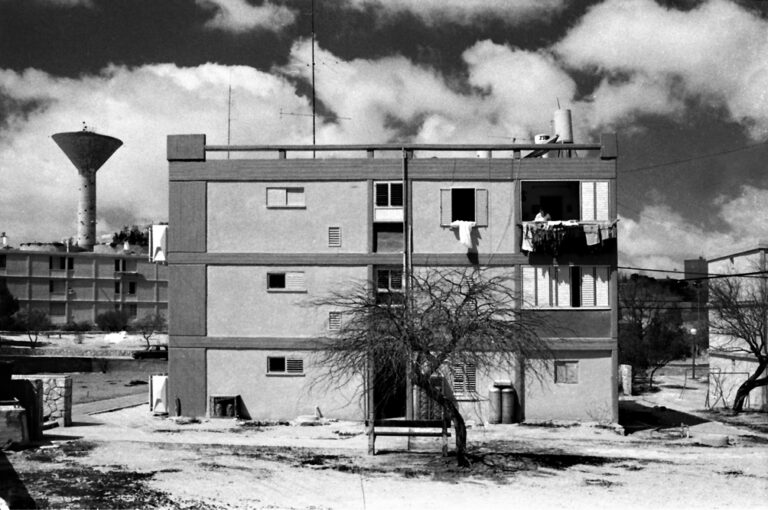
Every now and then, he would produce photo essays for the "Hotam" supplement of the Al HaMishmar newspaper: "One day I was driving and passing through the Beit She'an Valley, when I suddenly saw a moshav called 'Rehov.' I said to myself: I have to see what this poor little place is all about, and I did a story on them.”
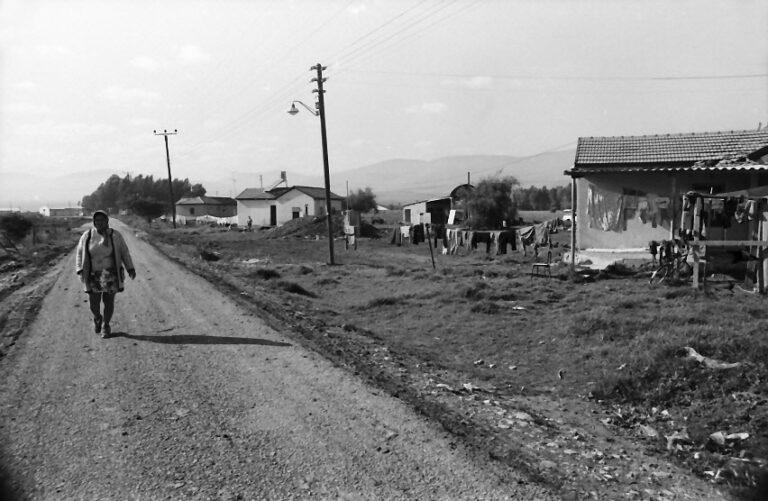
On Eilat's Facebook page, he displays his drawings, sketches, works, and, of course, a series of his photographs. Regarding the one-time exhibition he defines it as: "A small exhibition of my photographs from Kibbutz Shamir in the sixties and seventies of the last century, and a projected presentation of dozens of photographs from across the country that have been stored in my archives.