
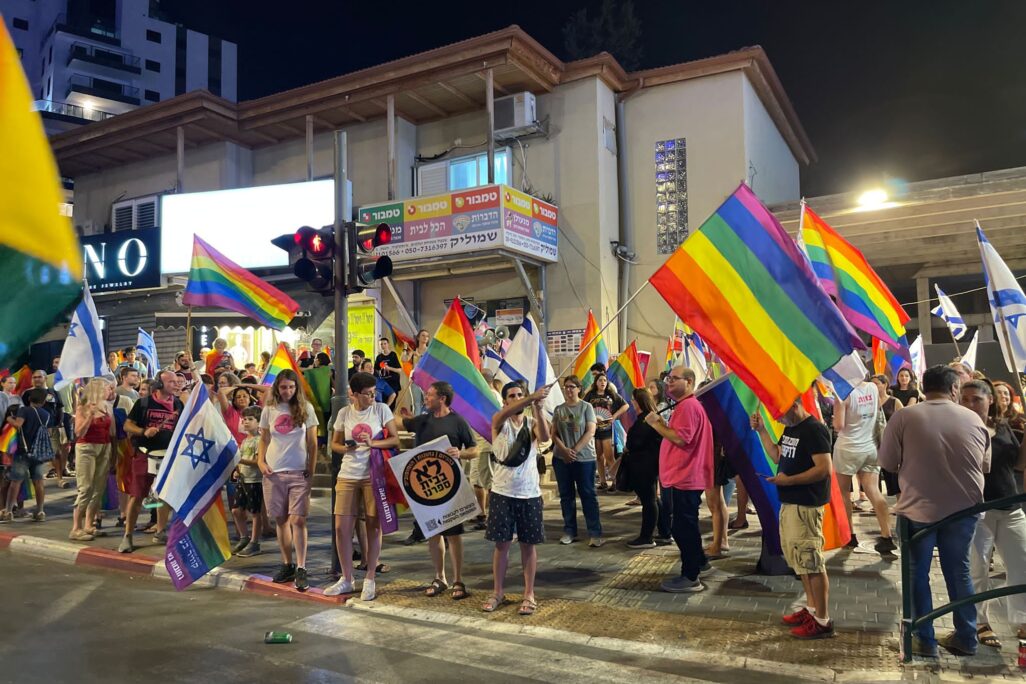
The annual report published by the Aguda, The Association for LGBTQ+ Equality in Israel, points to a rise in physical threats against LGBTQ+ people in Israel, with an average of more than one physical assault reported each week, with half of them occurring in public spaces. A study conducted by the Israeli Institute for Gender and LGBTQ+ Research found that 76% of LGBTQ+ individuals experienced homophobic incidents in public spaces.
Over the past year, 322 reports of homophobic and transphobic incidents were documented by the Aguda’s Nir Katz Reporting Center. In addition, the organization’s legal department handled 110 cases related to homophobia and transphobia. Altogether, 432 reports were recorded in 2025, compared to 410 in 2024. The report also documented 1,634 anti-LGBTQ+ comments online and approximately 1,325 pieces of anti-LGBTQ+ content across social media platforms and online networks.
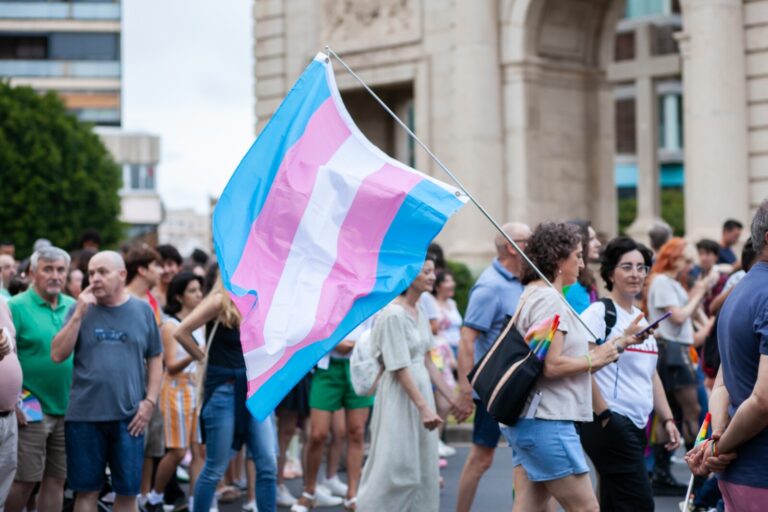
According to the report, 54% of the incidents reported to the center in 2025 involved members of Israel’s transgender community, compared to 43% in 2024. Half of all incidents occurring in public spaces this year involved physical assaults — a sharp increase from last year, when only 32% of public-space incidents involved physical violence.
The report also highlights a troubling rise in extortion and threats in public spaces, which accounted for 13.5% of all reported incidents this year, compared to just 3% last year. The findings indicate growing concern within the LGBTQ+ community about reporting attacks or filing complaints with police. At the same time, social media platforms have become increasingly saturated with violence, hate speech, and documentation of anti-LGBTQ+ incidents targeting community members.
The study by the Israeli Institute for Gender and LGBTQ+ Research surveyed 719 respondents between the ages of 16 and 87. Ninety-one percent reported experiencing some form of discrimination during the past year. Forty-seven percent said they experienced homophobia or transphobia very frequently in at least one area of their lives, compared to 36% in the previous year’s study.
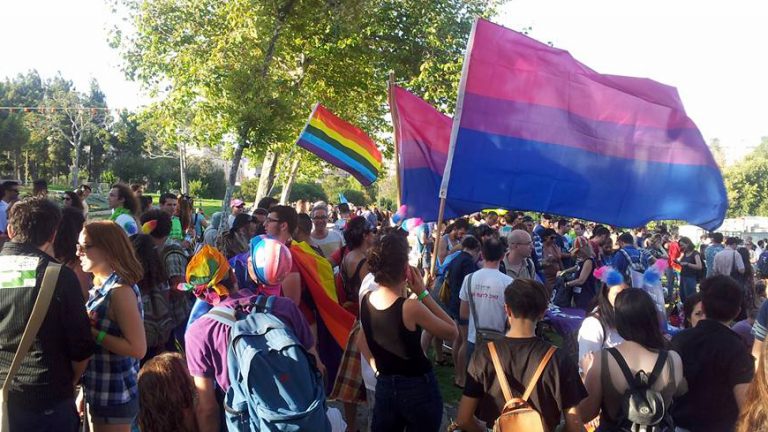
Among respondents, 79% reported experiencing discrimination or violence on social media, 76% in public spaces, and 53% in private settings. Sixty-five percent of students surveyed said they experienced homophobia or transphobia at school, while 51% of those serving in the military or national service reported experiencing such incidents during their service. Nearly half of respondents, 49%, said they encountered discrimination in interactions with state institutions.
Transgender Community Faces Especially High Threat Levels
The report found particularly high levels of exposure to discrimination among transgender individuals. Ninety-one percent reported experiencing it in public spaces, 87.5% on social media, 71% in private settings, 69.5% in state institutions, 66% in medical institutions, 58% in local government institutions, 54% in educational institutions and higher education settings, and 62% during military or national service.
Twenty percent of trans men reported experiencing physical violence, while 18% reported sexual violence, compared to 8% and 10% respectively among cisgender respondents. Ten percent of trans women reported experiencing physical violence and 15% reported sexual assault, compared to 0% and 6% among cisgender women respondents. Among nonbinary respondents, 11% reported experiencing physical violence and 14% reported sexual violence.
The Aguda noted that public discourse surrounding the transgender community intensified significantly in 2025 as part of a broader global trend of increasing politicization of gender and identity issues. In countries including the United States and the United Kingdom, political and legislative initiatives have increasingly challenged the legitimacy of transgender identities, and this discourse has also spread to Israel.
In Israel, the report says, media and political rhetoric became more extreme, reflected in sensationalist media coverage, increased incitement and hateful discourse on social media, and the introduction of legislation seeking to define sex exclusively as male or female and eliminate the option to change gender markers on identity documents.
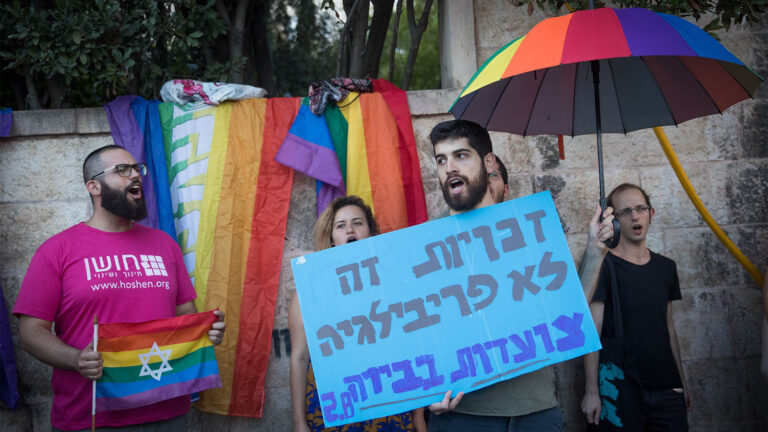
A discourse analysis conducted for the Gila Project for Trans Empowerment found that between July 2024 and July 2025, there was a 200% increase compared to the previous year in online content relating to the transgender community. Researchers noted not only a rise in anti-trans rhetoric, but also an increase in inflammatory discourse and the use of slurs associated with the transgender community as political weapons. The findings point to an increasingly negative public image of the transgender community.
The Aguda said this trend has contributed to growing delegitimization of the transgender community and its transformation into a central target for verbal and physical attacks, often as part of broader cultural and political conflicts.
Organized Attacks Through Dating Apps: “An Unprecedented Trend”
The Aguda’s homophobia and transphobia reporting center was the first to identify a growing trend of organized assaults and attempted lynchings targeting LGBTQ+ individuals through dating applications. From the final quarter of 2024 through the end of 2025, the center documented more than 20 severe assaults organized in this manner.
According to the report, the attacks followed a recurring pattern: perpetrators created fake profiles on dating platforms, particularly Grindr, identified potential victims, and lured them into meetings under the guise of a date. Victims were then ambushed by organized groups of attackers, typically consisting of five to ten masked individuals armed with various weapons.
Victims were subjected to brutal violence, and most required medical treatment. The report describes the assaults as pure hate crimes targeting men attracted to men. Of the incidents known to the Aguda, 46% occurred in northern Israel, 27% in central Israel, 11% in the Jerusalem area, and 8% in southern Israel.
The organization emphasized that the phenomenon is unprecedented in both scale and frequency in Israel and estimated that the true scope of the attacks is significantly larger than the number of reported cases.
Sharp Rise in Calls to LGBTQ+ Support Hotline
Alongside the increase in the severity of violence against LGBTQ+ people in Israel, the Aguda also reported a sharp rise in the number of calls received by its support hotline, “Yesh Im Mi Ledaber” (“There’s Someone to Talk To”).
In 2025, the hotline received 3,863 inquiries, compared to 1,915 in 2024 and roughly 1,800 in 2023. Call volume peaked during the summer months, with July recording the highest number of inquiries — 578 calls.
LGBTQ+ Arabs Face Severe Vulnerabilities
The support hotline operated by Beit El-Meem, which serves LGBTQ+ individuals in the Arab community, recorded 47 inquiries this year.
Among callers, 55% reported severe emotional distress, including anxiety, depression, and extreme loneliness. Forty-seven percent of calls dealt directly with coming out and concerns about disclosing one’s identity to family members. Thirty-four percent involved violence, threats, or fear of harm from family or community members. Thirty percent related to relationship difficulties, breakups, or ongoing loneliness. Twenty-six percent dealt with gender dysphoria or challenges related to gender transition processes, while 13% involved emergency situations with immediate risk of self-harm or violence.
Young people accounted for the majority of inquiries within Arab society: 62% came from individuals aged 14 to 24, and 28% from those aged 25 to 28 — figures that researchers say indicate particularly high vulnerability during years marked by financial and emotional dependence on family alongside identity formation and the process of coming out. Thirty-two percent of callers from Arab society identified as transgender, indicating even higher levels of vulnerability within that population.
For more information and support, click here for the Aguda website.