
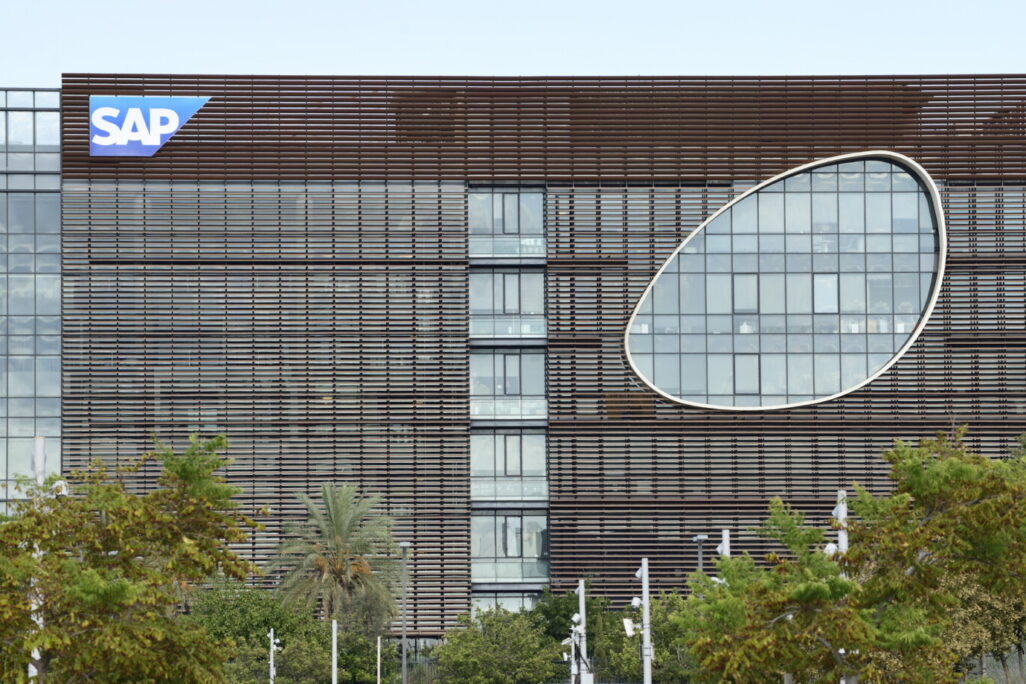
The labor dispute recently declared at SAP Israel, the first since the workers’ unionization effort was established more than 12 years ago, is not merely a technical stage in negotiations. It is the result of a prolonged process and a turning point. To understand the significance of the event, one must ask not only what is happening now, but how the situation developed.
In recent years, Israel’s high-tech sector has undergone a profound transformation. A long period of rapid growth has been replaced by waves of cuts, team closures, and managerial decisions often made at extremely high speed. Within such a reality, the gap between management and employees has widened, and the internal balance within organizations has been put to a renewed test.
This reality is, of course, not unique to Israel, but part of a broader trend across the global high-tech industry, with major moves taking place at companies such as Meta, Microsoft, and Oracle. These organizations have implemented extensive cuts alongside voluntary retirement programs determined unilaterally.
Such measures illustrate how quickly employment realities can be transformed when there are no mechanisms balancing business considerations with human consequences.
Against this backdrop, SAP management’s current move must be understood. The attempt to cancel a collective agreement goes beyond a specific dispute and reflects a broader approach to workforce management. In the absence of a clear and regulated framework, decisions are made more unilaterally by management, while employees’ ability to influence their working conditions is reduced.
Organized Representation Creates Organizational Stability
It is also important to remember what has been built within the company over the years. For more than a decade, the labor relations system at SAP was considered exceptional. The company repeatedly ranked among the top workplaces in “best companies to work for” lists. Such achievements are not accidental, but rather the result of an organizational culture built consistently through ongoing investment in trust and cooperation.
This reality underscores the importance of organized representation. Contrary to the image often presented of worker unionization and representative committees as obstacles, they in fact constitute a mechanism that creates organizational stability. They make it possible to maintain dialogue between employees and management even during disputes, and to build trust during periods of uncertainty.
Such a model may be less convenient at times, but it is more responsible in the long term.

The absence of a regulated framework has been clearly evident in events across the industry in recent years. Employees have found themselves dealing with abrupt changes, often without sufficient preparation. Decisions regarding layoffs or policy changes were made rapidly and had immediate effects on many people’s lives.
A relationship between management and a workers’ committee requires investment. It includes disagreements and, at times, conflicts. At the same time, however, it creates a foundation that prevents decisions from being made under momentary pressure and allows an organization to act with a broader perspective, rather than responding only in the immediate term.
The current labor dispute extends far beyond a single isolated incident. It reflects a broader struggle over the future character of labor relations in the high-tech industry and raises a fundamental question regarding the balance between managerial flexibility and employment stability.
A strong high-tech sector is measured not only by innovation and technology, but also by its ability to build a stable work environment grounded in trust and partnership. The decisions being made now will affect SAP employees — and no less importantly, the direction in which the industry as a whole will develop.
The author is the chair of SAP’s workers’ committee.