


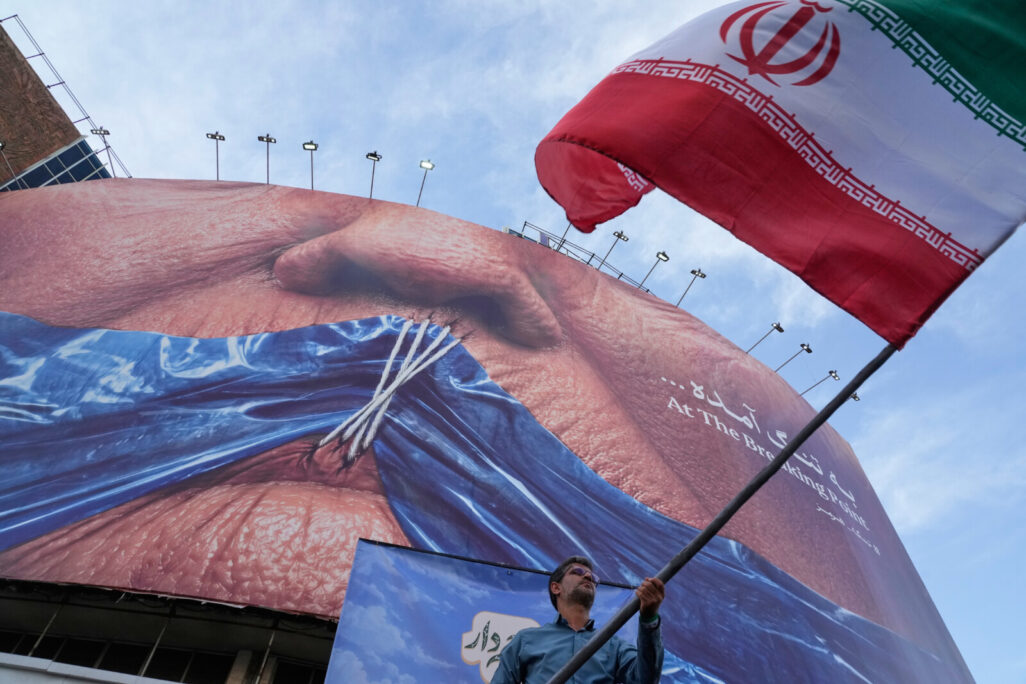
While Iran and the United States have announced that they have reached a memorandum of understanding and are expected to sign it this coming Friday, significant differences in interpretation are becoming increasingly apparent between the two sides regarding key aspects of the agreement.
As long as the full text has not been officially published, it is difficult to determine which interpretation is closer to reality. Draft versions of the memorandum have appeared in Arab and international media outlets, but none has yet received official confirmation.
According to the reports, the agreement includes a ceasefire across all fronts, a requirement that Iran open the Strait of Hormuz, and a commitment by the United States to lift its naval blockade on Iranian ports. A further 60-day negotiation period is expected to follow the signing, during which issues including Iran’s nuclear program will be discussed. However, even at this stage, deep disagreements over the meaning and implementation of the understandings are already evident.
The differing versions are outlined in a report by the Institute for the Study of War (ISW), an independent American research and policy institute. The institute publishes ongoing military and political analyses of active conflicts around the world, drawing on publicly available information.
Control and Management of the Strait of Hormuz
The American position:
J. D. Vance has emphasized that the United States expects the Strait of Hormuz to remain fully open and free of charges in the long term, with a return to the status quo that existed before the war.
The Iranian position:
Media outlets affiliated with the Islamic Revolutionary Guard Corps have reported that Iran intends to suspend the collection of “fees” for only 60 days, after which it would resume charging service fees and jointly manage the strait with Oman.
According to Iranian Foreign Ministry spokesperson Esmaeil Baghaei, Iran defines an “open strait” as one that remains under Iranian administration and control, including the possibility of imposing future restrictions if deemed necessary. This interpretation stands in direct contrast to the American position, which envisions unrestricted international passage without Iranian control over access conditions.
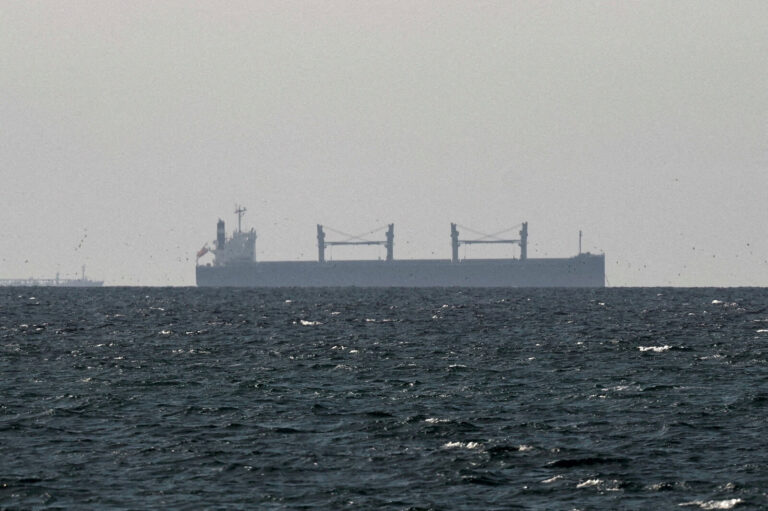
The gap between the two sides is also evident in their descriptions of the current status of the Strait of Hormuz.
The American version:
Donald Trump has stated that vessels are already moving through the “southern route” and has presented the reopening process as underway.
The Iranian version:
The naval arm of the Islamic Revolutionary Guard Corps has announced that the strait remains closed, that navigation permits have not yet been issued, and that ships are prohibited from approaching Iranian-controlled areas “until further notice”—a statement widely interpreted as an implicit warning.
According to reports cited from Reuters, major shipping companies are expected to resume normal traffic only after receiving confirmation that the route is fully safe for navigation. Mine-clearing operations in the waterway could reportedly take between 40 and 50 days. Trump has said that these activities will begin following the signing ceremony scheduled for June 19, but Iran has not publicly confirmed that timetable. As a result, uncertainty remains over when the strait will actually return to normal commercial operation and under what conditions.
Release of frozen assets
Both sides agree that the memorandum refers to the release of hundreds of billions of dollars in Iranian assets. However, the United States has rejected Iranian claims of an immediate unfreezing of funds and instant sanctions relief.
Donald Trump and J. D. Vance have clarified that any easing of sanctions would be conditional on Iran’s implementation of the agreement, and would be phased in gradually rather than granted immediately.
The Lebanese front: “The beginning of Lebanon’s liberation”
Hezbollah has welcomed the agreement, announced a halt to offensive operations, and stated that it sees the deal as the beginning of the “full liberation of Lebanon.” The group is demanding a complete Israeli withdrawal from southern Lebanon, without any Israeli freedom of action. Since the announcement, Hezbollah has reportedly stopped its attacks on communities in northern Israel.
Iranian version:
Iranian Foreign Minister Abbas Araghchi said the ceasefire in Lebanon will take effect on Friday with the signing of the memorandum, warning that “any Israeli military action in Lebanon and continued occupation of Lebanese territory from now on will be considered a violation of the memorandum.”
United States version:
In contrast, a senior American official told CNN that “Lebanon is not part of the memorandum,” stressing that an Israeli withdrawal from southern Lebanon is not a condition of the agreement, and that Israel retains the right to respond to Hezbollah attacks.
Trump’s statement:
Donald Trump, however, signaled expectations for a ceasefire in Lebanon. Speaking at the G7 summit about the conflict with Hezbollah, he said: “If Israel can’t do the job without killing everyone, then Syria will do the job.”
The Israeli perspective
Israel Katz, Israel’s Minister of Defense, has stated that the IDF will remain permanently in security zones in Lebanon, Syria, and the Gaza Strip, and that Israel opposes any withdrawal from Lebanon despite external pressure.
Israel is not expected to be listed as an official party to the agreement. However, even if the memorandum is ultimately finalized as described by the parties, the ongoing maneuvering and competing interpretations are likely to continue well beyond the signing ceremony. In practice, it remains difficult to assume that there will be any real consensus on how the memorandum will be implemented on the ground.