


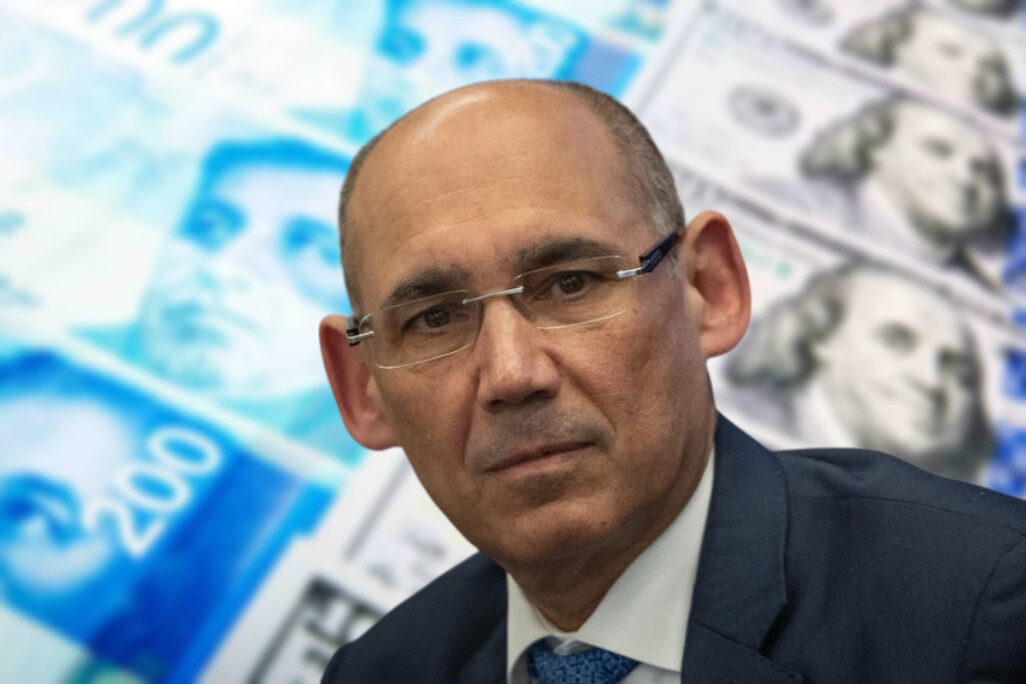
The Consumer Price Index for May was not particularly unusual. It showed a slightly sharper-than-expected decline of 0.3%. Even in categories where prices moved more noticeably, the changes are generally considered seasonal and not dramatic: flight prices fell compared to Passover and wartime peaks, and the first summer fruits entered markets and stores at prices reflecting early-season demand from consumers unwilling to wait.
The bottom line is that annual inflation remains at 1.9%, meaning there is no meaningful change in either direction.
Price stability in recent months highlights a different problem. Inflation has remained for almost a year within the Bank of Israel’s target range (1%–3%). Since the beginning of 2026 it has also been below the midpoint of the range, 2%. Forward-looking forecasts show no expected change either (an average of 1.8% over the next year).
But while prices appear under control, the Bank of Israel’s interest rate remains high at 3.75%. The real interest rate, meaning after adjusting for expected inflation, is high compared to Western economies.
In parts of the world, interest rates have been rising in recent days due to disruptions in oil supply stemming from the war with Iran, as well as broader global instability.
Bank of Japan and the European Central Bank have both raised interest rates, but even after these increases they stand at about 1% and 2.25% respectively, still far below Israel’s level.
The interest rate gap with the rest of the world is increasing demand for the shekel and contributing to its appreciation, whereas a lower interest rate would likely reduce demand for the currency.
The high interest rate helps moderate inflation, but it comes with painful side effects. Available money flows into deposits instead of being invested in industrial and business development. The business sector’s output, also affected by the war, is stagnating, and most of the increase in Israel’s GDP is driven by government spending—primarily defense expenditures.
Moreover, the share of real investment (investment in business development) out of GDP has declined from 37% to 32% on average in recent years, meaning that the economy’s future growth potential is also being weakened.
Alongside the harm to investment, the high interest rate also affects the cost of loans. Elevated rates give banks stronger pricing power. As a result, the average interest rate on loans stood at 8.64% in May, within a range of 5%–17%. Deposits, by contrast, ranged from 0.05% to 3.9% depending on term and bank, while the main variable-rate track stood at 1.15%.
Studies show that in recent years, banks’ profits from private customers and small- and medium-sized businesses have surged at the expense of profits from large corporations. This interest-rate gap is reflected in bank earnings, which have more than doubled in recent years, reaching over 32 billion shekels.
And all this is happening while the shekel remains strong, with the dollar stabilised at under 3 shekels. In such a situation, production and labour costs remain high, while revenues in foreign currencies, especially dollars, shrink. Industrialists have reported the closure of production lines in the periphery, and high-tech companies have announced layoffs numbering in the hundreds and thousands.
The Bank of Israel is expected to decide again on the interest rate in about three weeks. Governor Amir Yaron has hinted that if inflation expectations continue to decline, the Bank will continue cutting rates. Research units at the banks expect a rate cut in the upcoming decision and another in 2026, bringing the rate to 3.25% by the end of the year. Such a reduction alone will not save the industrial and business sector, but it is certainly a welcome shift.