


70% of electricity production in Israel is based on natural gas, but according to a report published this week by the State Comptroller, the state is failing to secure adequate gas reserves for the coming years.
The comptroller warns that within 22 years Israel’s energy independence could be undermined, and it may be required to shift from being a natural gas exporter to an importer.
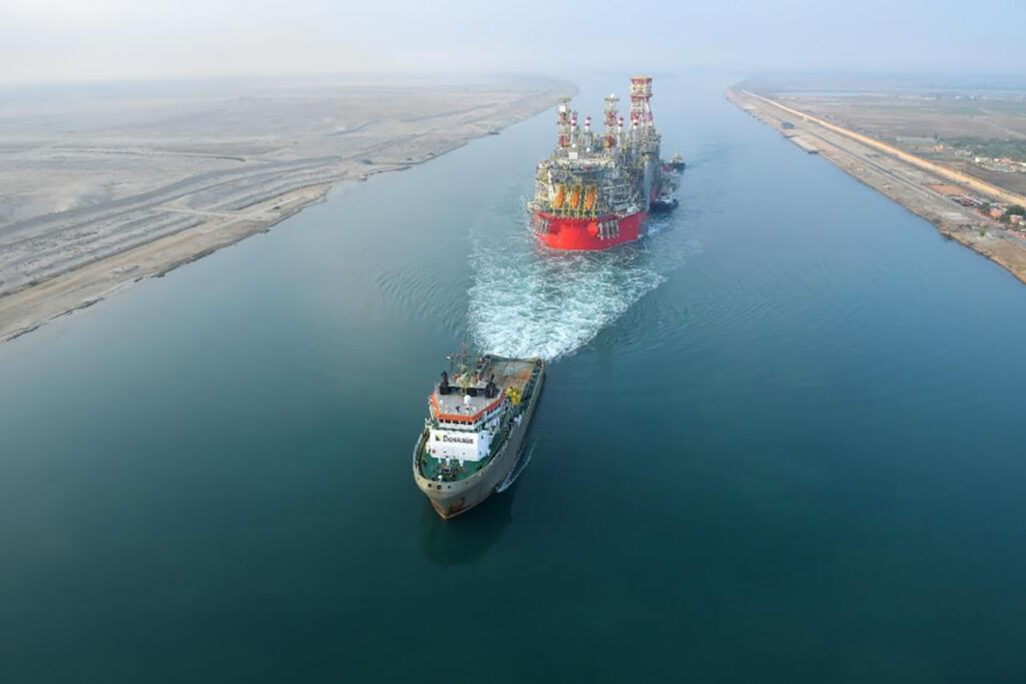
Israel’s natural gas sector, the country’s main energy source for the coming decades, currently relies on three major reservoirs: Leviathan, Tamar, and Karish-Tanin. Various committees have over the years determined the allocation between gas exports and domestic use, based on the understanding that this is a critical and strategic resource for the Israeli economy.
The State Comptroller notes that the Dayan Committee is currently convening, and its recommendations are expected to significantly shape Israel’s energy future for years to come. According to the report, government decisions requiring the volume of reserves to be updated every five years in line with new discoveries have not been implemented. In other words, despite the increase in gas reserves, the amount of gas set aside for Israel’s domestic use has not changed.
At the same time, it has become clear that Israel’s projected demand for natural gas has in fact been underestimated. The original forecast did not account for rising demand driven by climate change and data centers, and the gas that was expected to last 25 years is now projected to last only 20 years.
Although the issue of gas reserves is highly significant for Israel’s strategic position, the authority to approve exports lies exclusively with the Ministry of Energy. There is not even a requirement to consult with the Prime Minister’s Office or other government ministries. According to the Comptroller, this situation may lead to geopolitical, economic, and environmental considerations not being taken into account in shaping export policy.
The report also notes that no natural gas storage facility has been established in Israel, despite the Natural Gas Authority examining the issue for 14 years. No viable alternatives have been presented to compensate for the lack of storage capacity, in terms of emergency preparedness or potential supply disruptions. As a result, Israel remains exposed to significant risks in the event of a disruption to supply.
Ministry of Energy: Some of the Comptroller’s Positions May Lead to Stagnation in the Gas Sector
Response from the Ministry of Energy and Infrastructure: “The Ministry views oversight as an essential tool for improving the management of Israel’s most important natural resource. At the same time, the Ministry believes that on some issues the audit team has adopted positions that could lead to stagnation in the natural gas sector in Israel.
Among other things, some of the recommendations contradict government decisions and propose a complex bureaucratic structure that could delay critical decisions regarding gas exports. In addition, some of the recommendations reflect an overly strict and conservative approach that could harm regulatory certainty and deter international investors.”
“The Ministry manages the natural gas sector based on ongoing review and updating of demand and production forecasts, alongside professional risk management and control mechanisms. The export agreements approved to date have been among the factors that enabled the expansion of production capacity in the ‘Tamar’ and ‘Leviathan’ reservoirs, and strengthened the energy security of the system.
The increase in reserves in existing reservoirs has also increased the reserve requirements for each field. A professional review of updated forecasts by the Noga company, which have not yet been published to the public, indicates that the overall set of assumptions leads to a demand outlook similar to that taken into account in the work of the Dayan Committee.”