
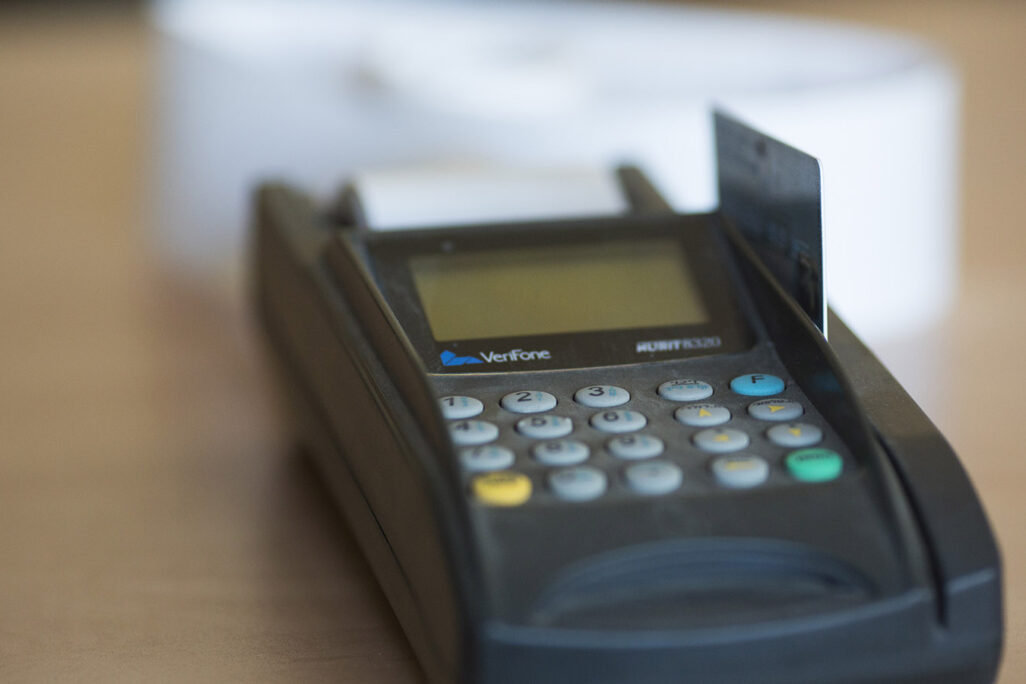
This starts with good intentions. The employee is not trying to bypass the organization but to help it. They want to meet a target, complete a project, or provide better service to a client, and therefore choose the fastest available solution—pulling out their personal credit card to pay for an organizational expense.
Expense management company Emburse found that 63% of employees use personal credit cards for work-related expenses, with an average annual out-of-pocket spending of $844 per employee. 43% of them completely skip submitting expense reports to avoid a process that is more tedious and cumbersome than the value of the expense itself.
Bypassing organizational processes exposes companies to cybersecurity risks, as employees use tools that have not been approved, and creates cumulative burnout among employees who fund business needs out of their own pocket.
Here are the seven main organizational failures that force employees to open their wallets:
- The exhausting bureaucracy of receipt approvals
Complex expense submission systems, which require signatures from several managers as well as long waiting times to receive reimbursement, lead employees to make a simple cost-benefit calculation and prefer absorbing small expenses in order to save time and frustration. Digital apps for photographing receipts and setting up a “fast track” process can help. In addition, a mechanism that grants automatic approval for small expenses up to a predefined limit, supported by a system-based sample audit to prevent abuse and irregularities, would significantly speed up and streamline the process. - Taxi rides during off-hours
Organizations that require work during irregular hours promise taxi reimbursement, but without a structured digital arrangement the employee is forced to pay out of pocket, collect receipts, and wait for reimbursement. This failure can be easily solved by integrating a business profile into leading ride-hailing apps. This solution allows the employee to book a ride with one click directly on the company account, completely eliminating personal payment and bureaucracy. - Lack of flexibility in benefits plans and budgets for field employees
Often, employees discover that local vendors near the office, during travel, or in field meetings do not accept the company payment card, forcing them to pay out of pocket. The solution is to switch to restaurant cards based on an international credit network. This allows employees to use a designated expense budget at any restaurant or supermarket, without rigid vendor limitations and from anywhere. - Too-low per diem limits
A fixed, outdated daily allowance for food and lodging during business travel or off-site meetings forces employees to pay the difference out of pocket, because restaurant and hotel prices in the meeting area are significantly higher than the maximum rate set by the company and not updated. A dynamic per diem adjusted by geographic location would allow a higher rate for meetings in central Tel Aviv compared to peripheral areas, with the budget continuously indexed to updated cost-of-living food prices. - Parking fees on the way to meetings
Employees required to attend meetings with clients in industrial zones or city centers often need to use parking apps (Pango/Cello) or pay at private lots out of pocket. The process of issuing receipts and submitting them is cumbersome, leading employees to absorb the cost. A widely accepted solution is linking the company to a centralized business account in parking apps, enabling direct company billing. - Small fees that no one reimburses
Conference registration, professional reports, subscription fees, or access to databases are small amounts that many employees pay out of pocket to avoid a long approval process. Over the year, these expenses accumulate. The organization should allocate a dedicated budget for small expenses, with a fast approval route or a dedicated virtual card. - Business flights
Employees flying abroad sometimes need to pay extra at the airport for excess baggage, additional luggage, or last-minute ticket changes due to operational constraints in the field. Because these costs occur outside the original ticketing system, the employee is forced to use a personal credit card. The solution is working with a corporate travel management company that operates a 24/7 emergency hotline for changes and direct payments.
Removing small bureaucratic barriers is a growth engine that allows a cumbersome company to become a fast, healthy, and competitive organization. Organizations that make day-to-day work easier gain operational efficiency and enable employees to focus on the actual work instead of chasing approvals, receipts, and reimbursements.
Jonathan Simchovitch is the CEO of the fintech company Robin.