
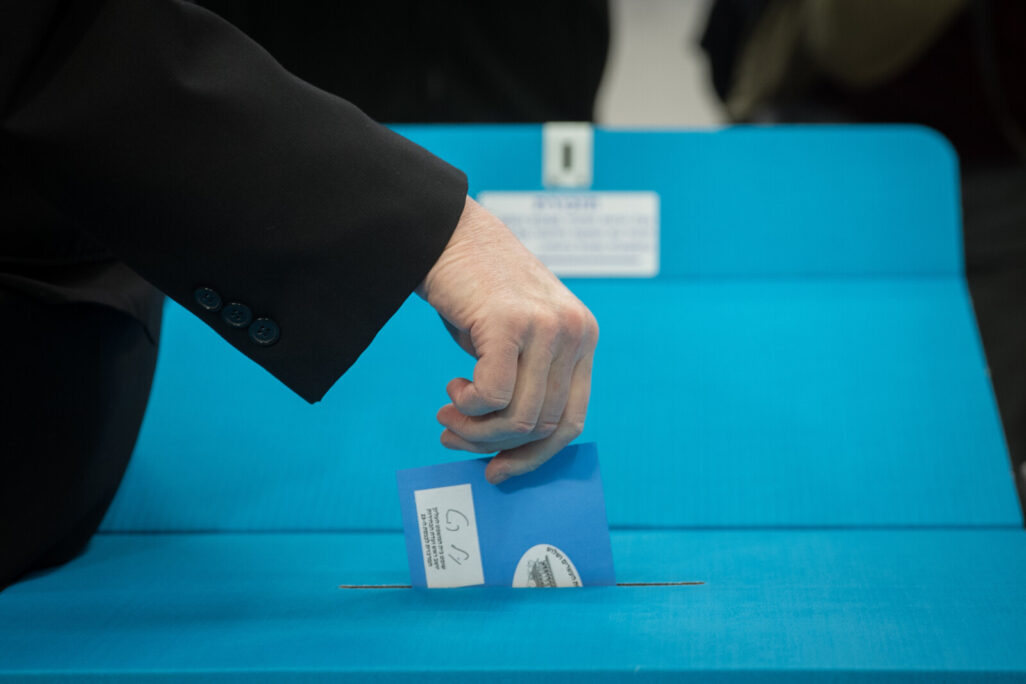
The date of the elections was set to be held on the October 27 2026, 16 Cheshvan 5787. The significance of this date is that the 25th Knesset will serve out its full term until its very last day.
Moreover, these will be the first elections to be held on schedule in 38 years, and the first government to complete its full term in 53 years.
On May 20, the Knesset approved in a preliminary reading a bill to dissolve the Knesset and bring forward the elections, with the support of the coalition. This followed the escalation of the crisis between the Likud faction and the ultra-Orthodox factions over the suspension of legislation granting military service exemptions for yeshiva students. On June 2, the bill passed its first reading, without setting a specific election date but instead establishing a range of possible dates (September 8 to October 27).
In the five weeks that have passed since the bill was approved in its first reading, it was barely advanced. At the same time, reports emerged of understandings between Likud and the ultra-Orthodox parties, which included legislation to stop the arrest of ultra-Orthodox draft evaders in exchange for the ultra-Orthodox parties’ support for legislation initiated by Likud regarding changes to the communications market and the reduction of the Attorney General’s powers. These understandings will likely make it unnecessary for the coalition to bring forward the elections.
Holding elections on the date set by law is a rare event in the Israeli political landscape, where, in most cases, the Knesset is dissolved before the end of its term. The last time elections for the Knesset were held on schedule was in 1988, at the end of the term of the unity government between Likud and the Alignment (later the Labor Party).