
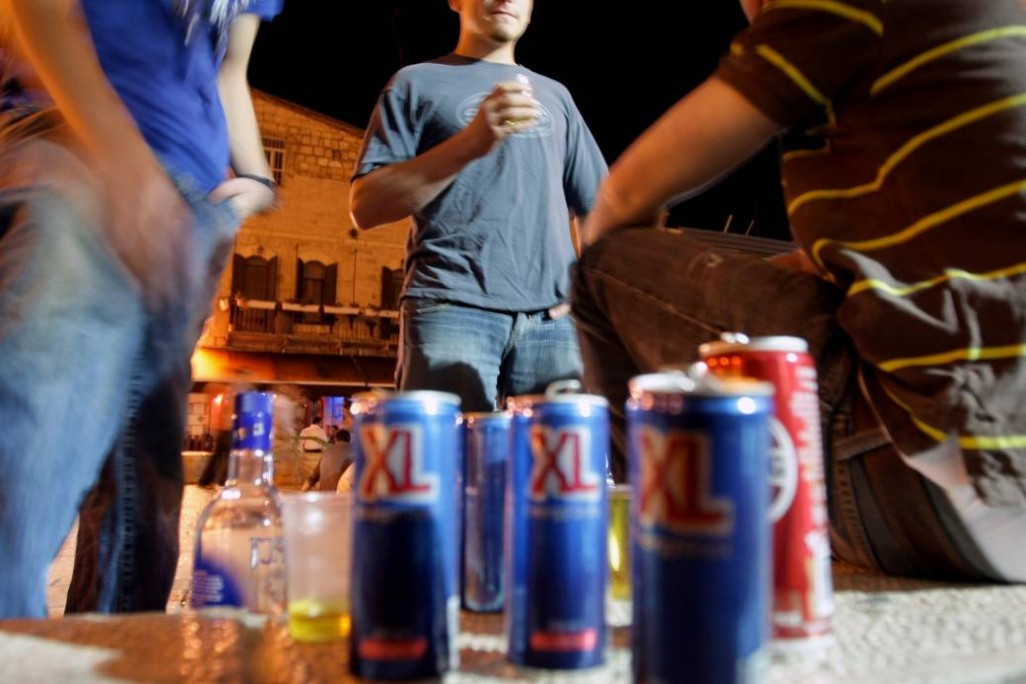
The annual report by Elem, an organisation for youth at risk, reveals a particularly concerning situation, with an increase in the percent of youth participating in risk-taking behaviours, exposure to various forms of violence, and growing use of mind-altering substances among teenagers. The report is based on encounters between the organisation’s employees and volunteers and around 15,000 boys and girls who received assistance online or in physical spaces across approximately 35 municipalities and 53 projects, including youth centres, street outreach work, and centres providing care for vulnerable populations aged 10 to 30.
66% of the teenagers that Elem’s volunteers and employees met in 2025 reported alcohol use, 59% said they had difficulty integrating into frameworks, 54% described situations in which they were involved in violence that occurred outside the home, 51% reported experiencing sexual harm and exploitation, and half of the teenagers reported depression and anxiety.
The report points to a meteoric rise in the figures: between the war with Iran in June 2025 (Am Kelavi) and the war with Iran in March-April 2026 (Operation Roaring Lion), there was a 70% increase in self-harm, a 73% increase in anger, a 30% increase in anxiety, and a 21% increase in the use of mind-altering substances.
The report reveals significant gender differences in the behaviours of youth in at-risk situations; boys use drugs and alcohol and report life-endangering behaviour at rates dozens of percent higher than girls, while girls tend to report depression and anxiety, suicidality, self-harm, eating disorders, and self-injury at rates dozens of percent higher than boys.
The report offers two main explanations for the data: the first is that these are the effects of the ongoing war and its social, psychological and economic consequences. What in the first two years was contained due to the real threat erupted in the past year.
Another key insight is the connection between the different situations, what Elem calls multi-arena violence. One in every two teenagers was exposed to at least one type of violence, and around 40% of them were exposed to more than three types of violence.
"Violence is not only a behaviour in itself, but an expression of a broad range of challenges that boys and girls face," the report states. "Violence can occur in the home environment, online, outside the home, or within one’s own body. Risk is no longer defined only by family background or socio-economic status, but has become a present reality in every home in Israel. The sequence of national crises, beginning with the social isolation imposed during COVID-19, through uncontrolled exposure to dangers on social media, and up to the traumas of war, has placed every adolescent on a vulnerability spectrum."
Elem also works with teenagers who experienced direct loss during the war. The report shows that rates of risk behaviours, such as eating disorders, suicidality, depression, self-injury and criminal acts, are higher among teenagers who experienced loss.