
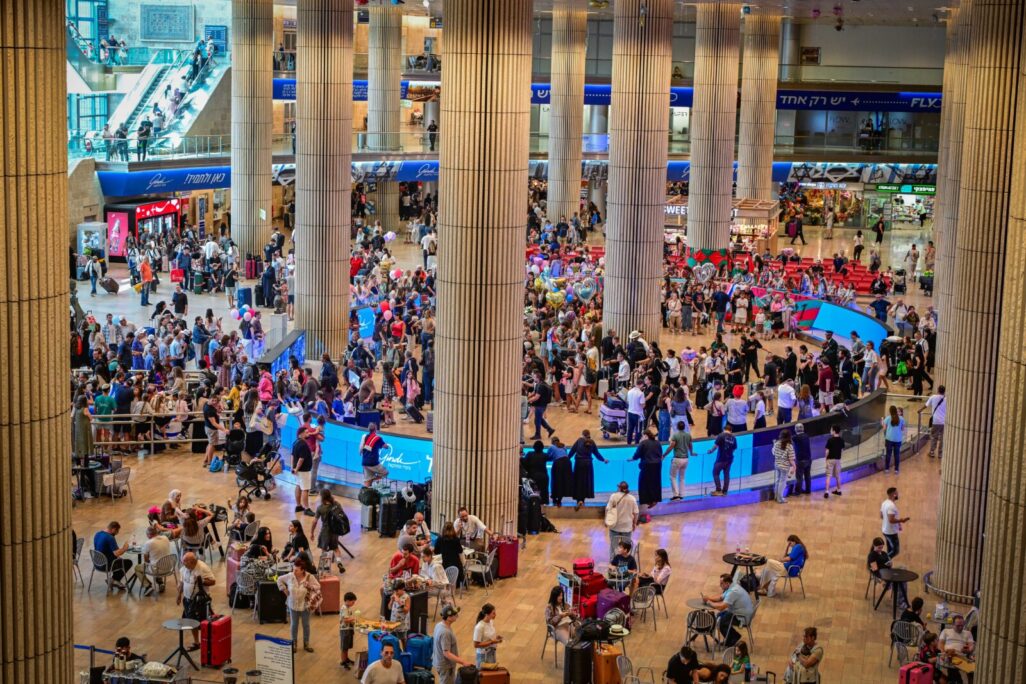
What happened at Ben Gurion Airport this week was not a strike. The workers did not stop working in order to pressure management; they simply reached a point where it was no longer possible to compensate for the ongoing staffing shortage through additional hours and increased effort.
This distinction matters far beyond the specific dispute at Ben Gurion Airport. Public systems can appear to be functioning well even when they are suffering from severe staff shortages. The mechanism is simple: the workers absorb the strain. They work longer hours, cut back on rest periods, fill in for missing employees, and take on one extra shift and another round of overtime. As long as they manage to do this, it appears that the system is functioning normally.
But there is a limit.
At Ben Gurion Airport, this includes workers who perform some of the most physically demanding jobs: unloading and loading luggage, working outdoors in the heat, at irregular hours and under enormous pressure. You cannot turn 12- and 13-hour workdays into an operational model. When that model breaks down, the workers must not be made the scapegoats.
That is precisely why employee representation matters. A workers’ committee is not merely an organization designed to negotiate pay increases; it is one of the mechanisms that prevents an organization from addressing structural problems by endlessly wearing down the people who work within it. The committee’s role is also to say the things management does not always want to hear: there are not enough workers; the workload is unreasonable; this cannot continue; if we do not address the problem now, the system will eventually collapse.
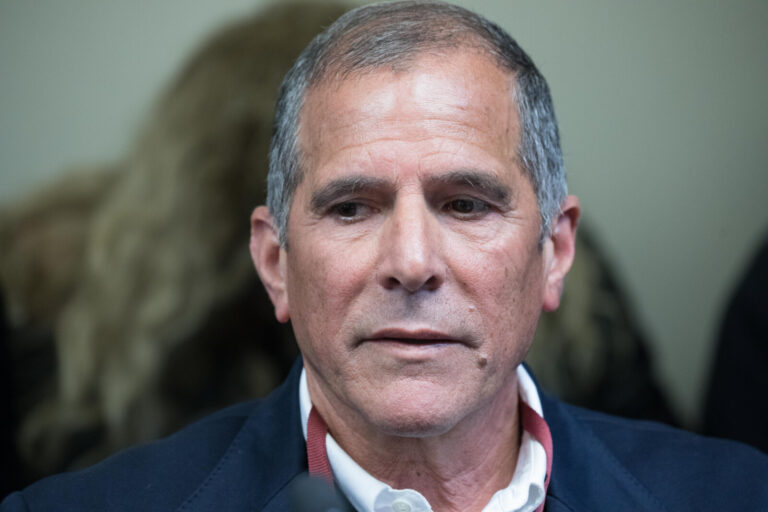
When a workers’ committee warns of a staffing shortage, it is not only protecting employees; it is also protecting the system’s ability to continue providing services over the long term. This is precisely where the political response becomes even more troubling: the decision to expel the chairman of the workers’ committee, Pinchas Idan, from his membership in the Likud party.
A workers’ committee chairman is not an extension of a political party in the workplace. He is elected to represent employees, including when their interests conflict with the position of the government, the minister responsible for the sector, or the leadership of the party to which he belongs. If a committee chairman has to fear that his party membership could be revoked every time he confronts a government body, then he does not truly have the independence to represent his workers.
This principle is important in another situation as well, where a strike does in fact take place. A strike is a fundamental tool in labor relations and, in many cases, is actually the most effective way to bring a prolonged dispute to an end. As long as only one side in a dispute can continue to drag things out at virtually no cost, there is no negotiation between equal parties. The workers’ ability to stop working is what creates genuine bargaining power and forces the sides to ultimately reach an agreement.
In this sense, a strike is not the opposite of dialogue. Often, the very possibility of a strike is what brings the parties to serious negotiations. When an employer knows that a dispute cannot be dragged out indefinitely, and when workers know that a strike also comes at a cost, a genuine incentive is created to reach a compromise and bring the crisis to an end.
Every strike can be debated—its timing, proportionality and the way it is conducted. But a position that automatically sides against workers the moment a disruption affects the public misses the bigger picture. In the case of Ben Gurion Airport, the situation is even more serious: a situation in which workers simply can no longer keep a system suffering from a chronic shortage afloat through their own labor is being labeled a “strike.”
Israeli society as a whole has an interest in workers’ committee leaders being members of every political party in Israel. Organized labor is part of the way a democratic society balances power among workers, employers and the state. Good leadership does not threaten those who represent workers; it asks why they reached this point and fixes what needs to be fixed.
Amit Ben-Tzur is the CEO of the Arlozorov Forum.