
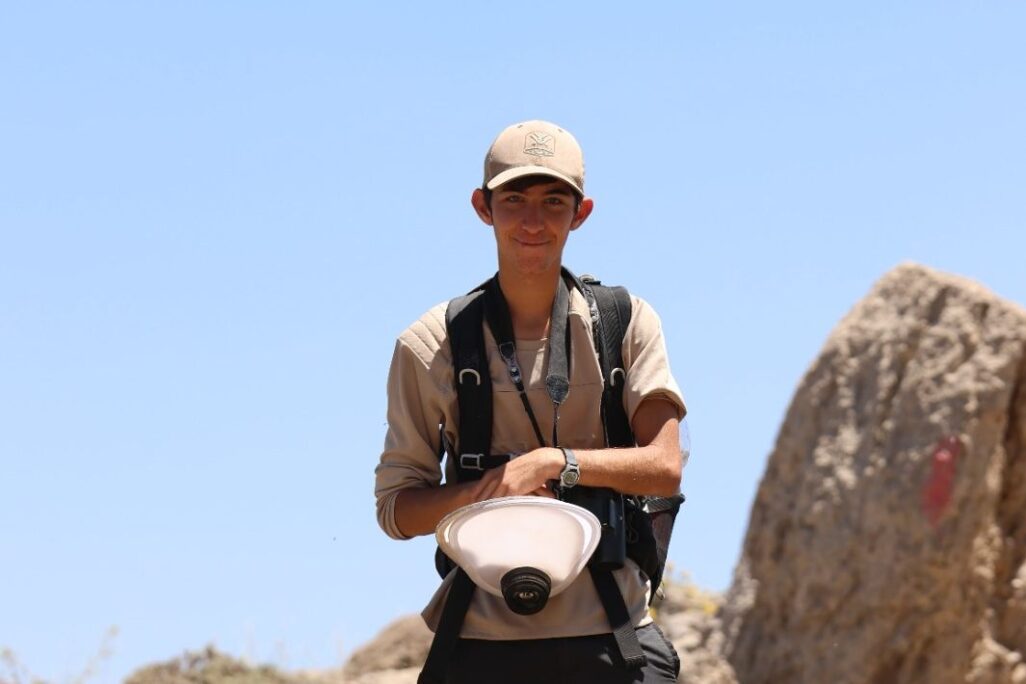
To onlookers, Moshe Neeman seems like a typical teenager: hat, t-shirt, cargo pants, and Source sandals. A religious teenager traveling around the country, like many others. Hitchhiking or taking buses, whatever is available he takes. Moving along the length and breadth of the land he knows intimately. A Jerusalemite, national-religious, dreaming of being drafted into a combat unit, scrolling on his mobile phone while sitting on a bus bench or standing at a station.
One day he appears at Mount Hermon, two days later in Eilat, then at some remote bus station in the Arava in the dead of night, and a few days later at the Sea of Galilee or the Hula Valley. But this is no ordinary story of a teenager who likes to roam the country.
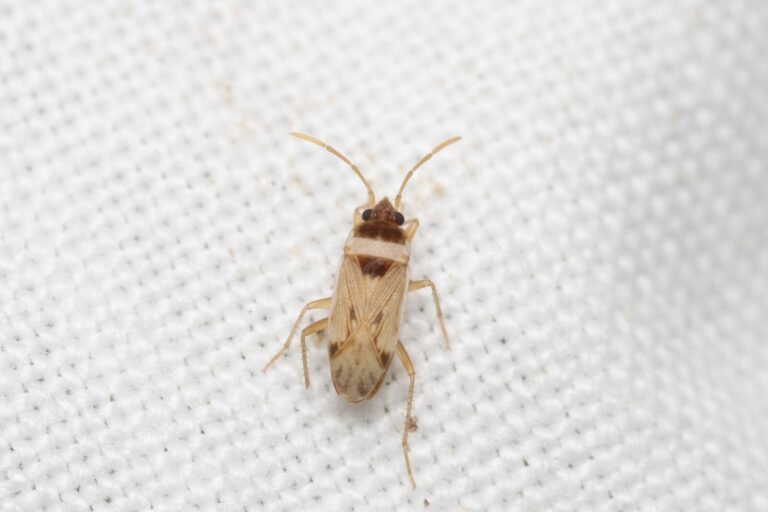
At age 16, Neeman has already managed to discover three new plants to Israel, a large water bird, at least six species of insects, and a population of blues (a type of butterfly) from a species not seen here in decades. There are professional researchers who, over an entire career, haven't reached such discoveries.
"Like a Moth to a Flame": From Raising Turtles to Bird Ringing
Neeman grew up in Jerusalem's Kiryat Yovel neighborhood, the son of Rabbi Meir Neeman. At a young age, he managed to move between a Haredi lifestyle, recalling: "I used to go to Hasidic tishes, dressed in black"; he drew close to the Hilltop Youth: "I grew long sidelocks, and I had this urge to throw stones, but I didn't dare”.
Among all these changes, what stayed with him all along was his love of nature. "As a child, I raised turtles I found," Neeman recalls with excitement, "I caught snakes, I did everything kids who love nature do."
")
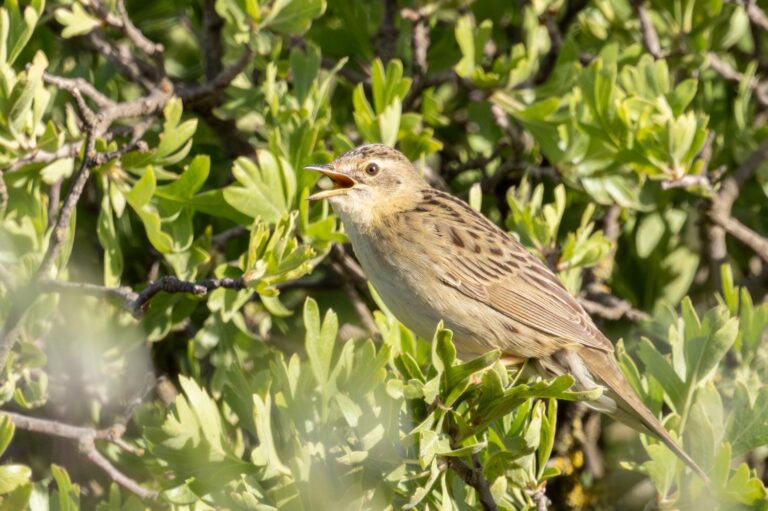
Already at an early age, this affinity took on a more serious tone: "One day I went with friends to the Jerusalem Bird Observatory. We went in, looked around a bit. Then Dror Lavi approached us and explained the station's activity. It pulled me like a moth to a flame. The very next day I started coming to the station every day before dawn, and only after the daily ringing (a research method in which a small ring with a unique I was put in a ringing course at age 12, even though it's only allowed from age 15."
"Birding is Adrenaline, It's Like Hunting, Only with the Goal to Research"
The Jerusalem Bird Observatory raised generations of devout nature lovers, several of whom currently hold key positions in the Society for the Protection of Nature in Israel and other nature organizations. Neeman grew up there too, testifying that this is where he got the "bug." At the station he learned a great deal about birding, evolution, nature conservation, and the species of birds visiting Israel.
"The daily routine at the station brought me into a social circle of the birding community in Israel. It's a community of special people to whom science is a guiding light. Sometimes people mistakenly think birders are tree-huggers, calm types, but really not. These are very, very intense, businesslike people who must be precise and meticulous about details. Birding is adrenaline, it's like hunting, only for the purpose of research and conservation. Especially when bird ringing is involved, it's a hobby that turns you into a bit of a scientist."
")
In the Spring of 2023, Neeman participated in the 'Champions of the Flyway' competition held annually in Eilat. This is the largest and most important international competition in Israel in the field of nature. The goal for competitors is to spot as many bird species as possible within 24 hours in the Negev region. Teams from various countries around the world, as well as Israeli teams, attend the competition.
On the way back from the competition, he hitched a ride back to Jerusalem with the Korman family, thus meeting Shelem Korman, a teenager every butterfly enthusiast in the country knows—the prodigy of butterfly research in Israel. "Shelem introduced me to the field of butterflies. Later, I also opened an account on the iNaturalist network, a social network where people upload photos of animals or plants they photograph, and there are experts who help identify them. This network opened a gateway to other fields for me. Initially snakes on summer nights, later I heard about light traps and moth research and immediately wanted to join."
"The Pacifist Loon" in Peace Lagoon
"In December 2023, there were many evacuees in Eilat," Neeman recalls one of the happiest days of his life. "I volunteered one morning to guide evacuees at the bird park. From there I rode my bicycle to a seamanship lesson on the North Beach. When I passed by the Peace Lagoon, near the North Beach, I saw something in the water. I raised my binoculars and couldn't believe my eyes—a loon! A super-rare bird I had never seen before."
Neeman hurried to call friends at the bird park to inform them of the find, and continued to his seamanship lesson. It was a Friday morning, so after Shabbat began, he disconnected. "Only after Shabbat ended did I understand the scale of the find. I saw a ton of WhatsApp messages and realized it was bigger than I thought."
It turned out that over Shabbat, Yoav Perlman, director of the Israeli Birding Center at the Society for the Protection of Nature, came down to Eilat to see the loon and identified it as a Pacific Loon. This is a species that breeds in Alaska and the eastern tip of Siberia, and this was the first time it was observed in the Middle East.
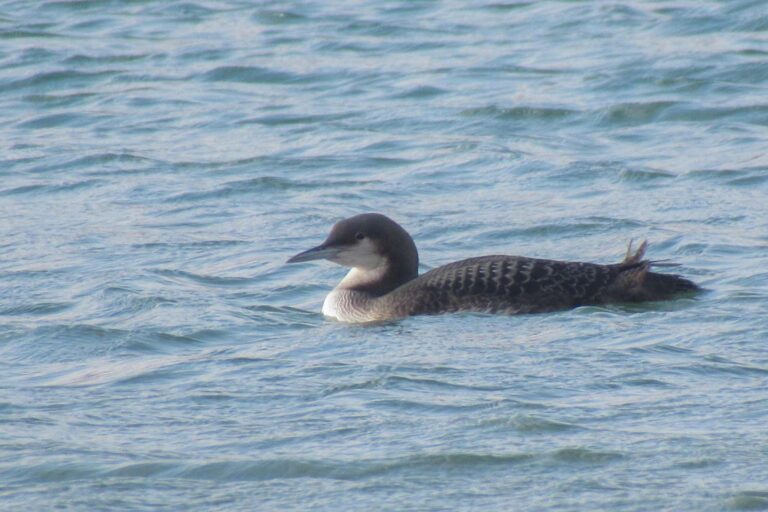
The Pacific Loon became an attraction for nature lovers. It drew people from all across the country who traveled down to Eilat just to see this strange duck-like bird with its long, sharp beak, diving in the Peace Lagoon and pulling out fish one after another. Some called it the 'Pacifist Loon', for choosing to spend the winter of '23–'24 in the Peace Lagoon, right when Israel was sinking into one of the most difficult wars in its history.
"I Try to Reach Places That Are as Remote as Possible"
One might think such a discovery at such a young age would be followed by a period of rest, but the opposite is true. "I like to invest the early morning hours in birding, and during the hotter hours look for plants and insects," Neeman outlines his daily routine. "At night I look for scorpions and snakes, and I also set up light traps with UV flashlights and a white sheet to attract insects. Especially moths and beetles."
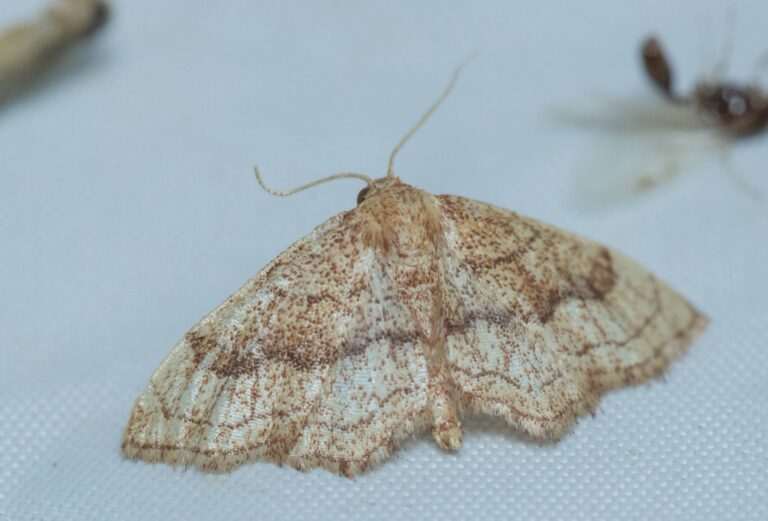
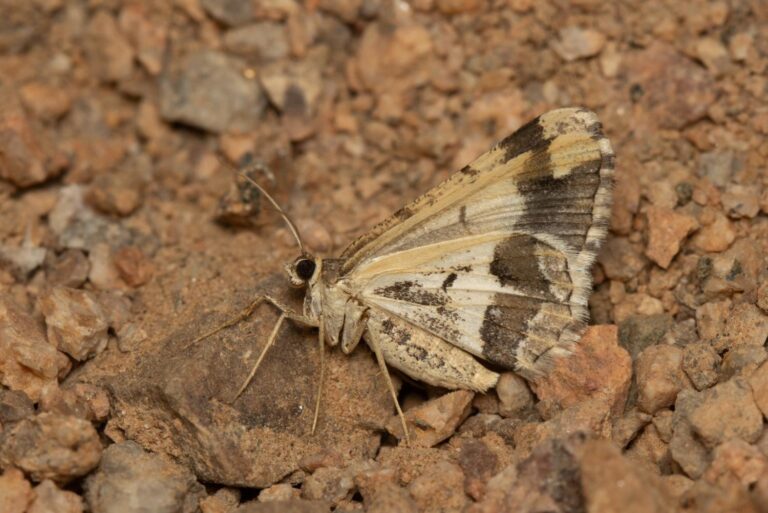
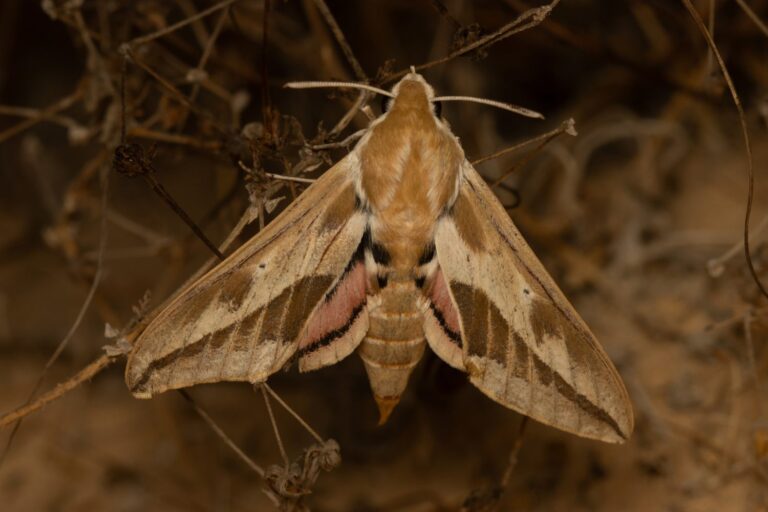
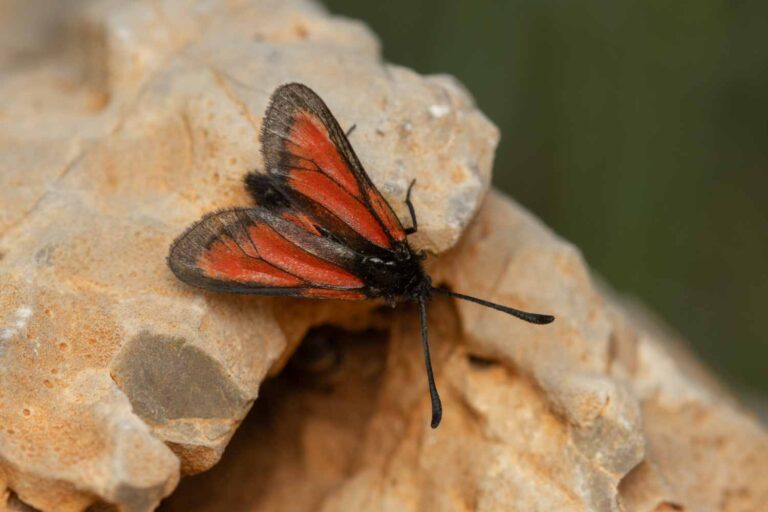
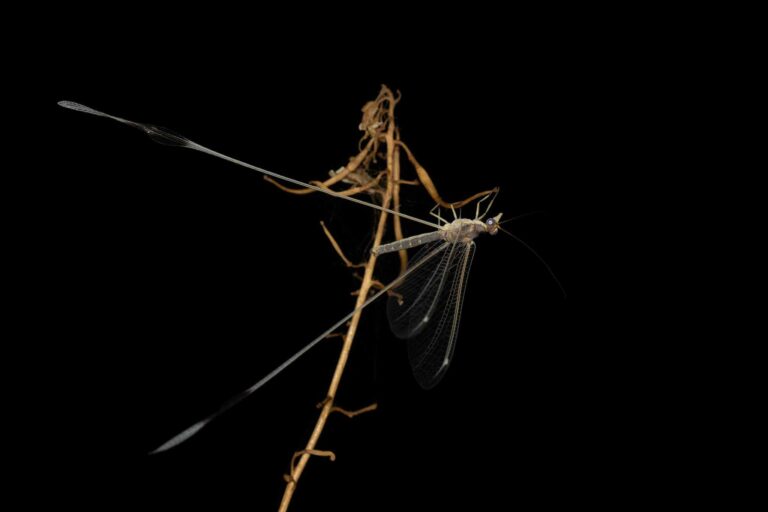
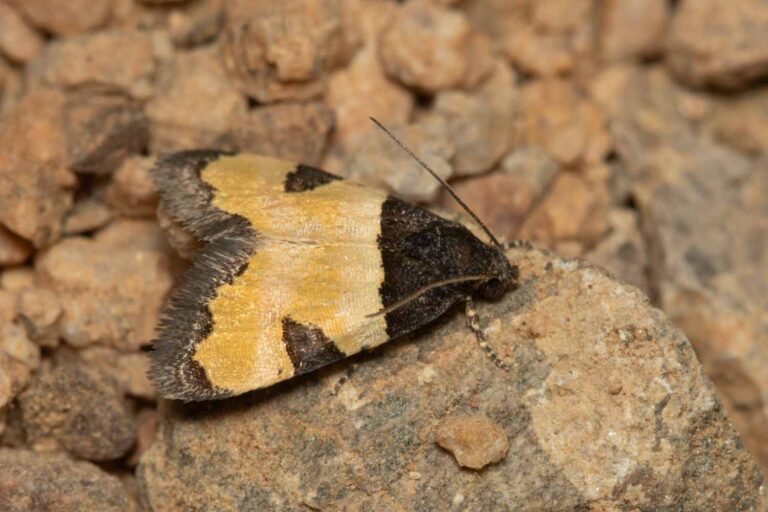
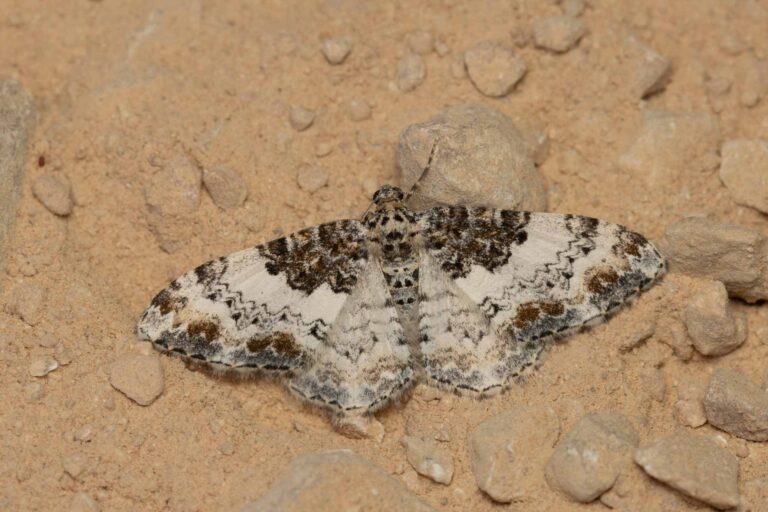
His parents are very supportive and encouraging, but even they admit they would be happy if he were home a bit more. At first, his friends used to laugh at him, but they have since gotten used to it. At boarding school, students and teachers call him 'Tzapar' (birder) with stress on the first syllable, joking that he doesn't come to class because he's constantly in the field. The teachers accept his choices, knowing he learns in nature no less than in the classroom.
The nature-loving community in Israel is amazed to meet him in the south a day after he reports finds on Mount Hermon, which he visits at least 10 times every summer, despite being a boarding school student in Eilat. He knows every piece of land in the country.
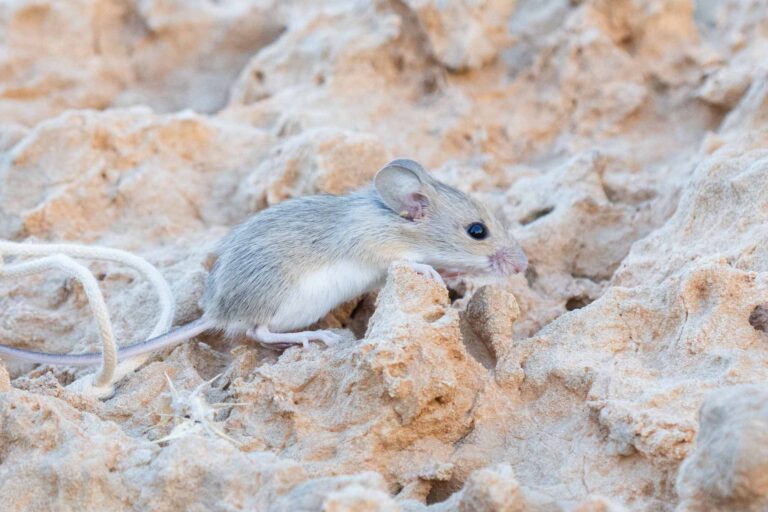
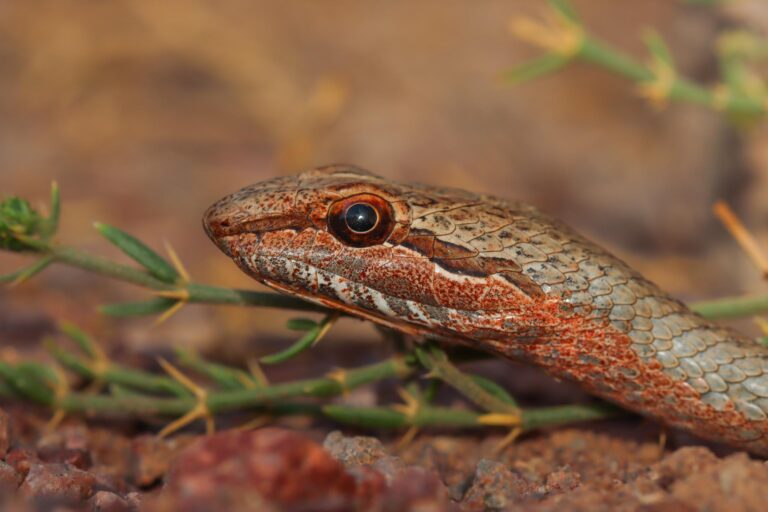
"I try to go out into nature every day, reach places that are as remote as possible, and photograph everything I don't recognize: plants, insects, fungi, animals – everything. I upload the photos to the network and tag experts there to help me identify them. That way I learn more and more species from different fields, and sometimes it turns out I stumble upon rare things, which is cool. I have my friend Sandro from Tbilisi who knows how to identify all the grasshoppers in the Middle East and just waits for me to find another grasshopper and upload it, and my Finnish friend who identifies micro-moths, and Israeli researchers who help me especially in botany."
"You Discovered a New Plant in Israel"
Last summer, Neeman went with a friend to photograph endemic plants in the Hula Reserve. He saw a bedstraw (Galium) – a delicate plant with small white flowers – and thought it was marsh bedstraw (Galium palustre), which was missing from his list. He photographed it and uploaded it to the network. Botany enthusiast Yehuda Shar-Shalom identified the plant as Jordan Bedstraw (Galium jordanicum) – a species that became extinct in Israel about eight decades ago during the draining of the Hula.
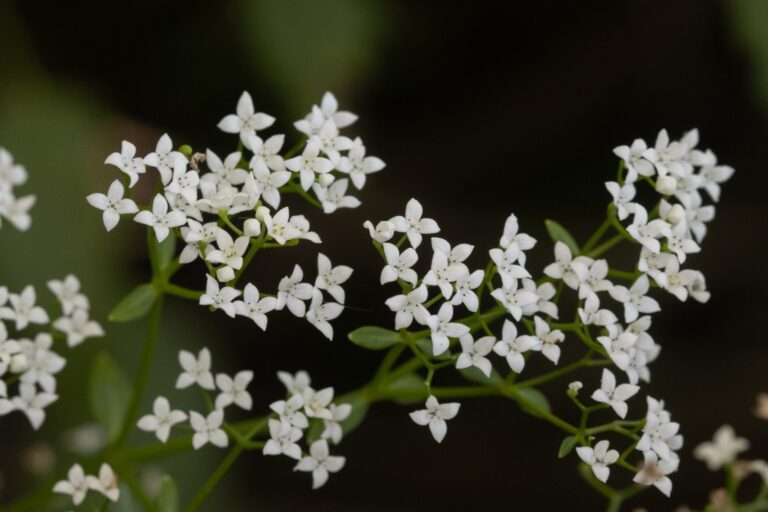
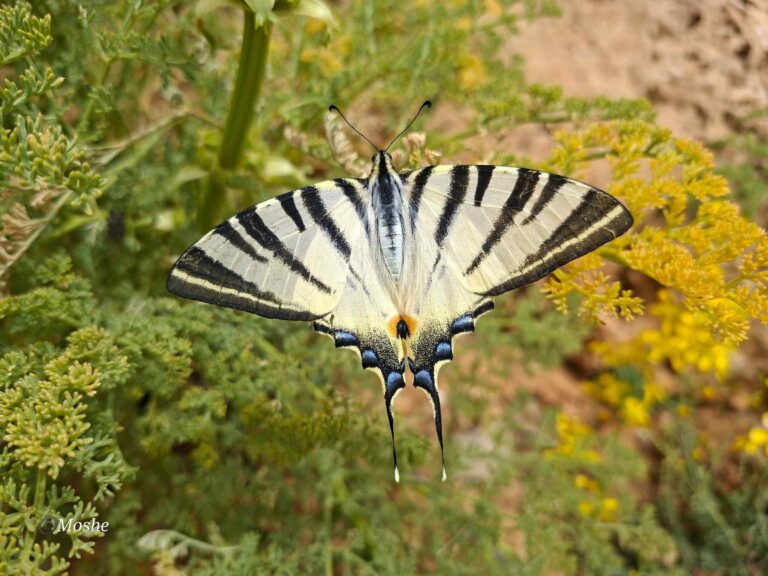
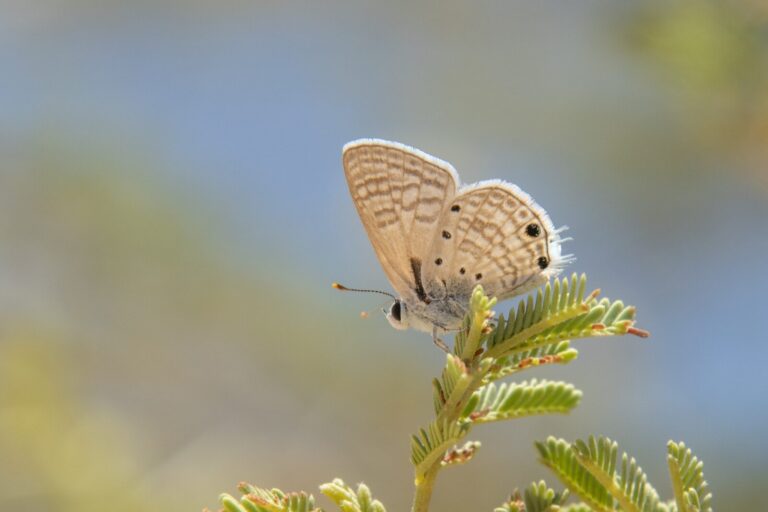
This miracle of finding something new happened to Neeman again, and since then he keeps going further and further. He located a population of Eilat acacia blue in the Eilat Mountains – a butterfly not seen in the country for many years, after a single individual had been found a year prior by Eldad Golan; found at least six new insects to Israel; and documented several other insects yet to be defined by science. In the past year, he started carrying test tubes in his bag to collect samples and insects, realizing that some of what he finds is simply unknown to science. What he collects he sends to various researchers – each in their respective field.
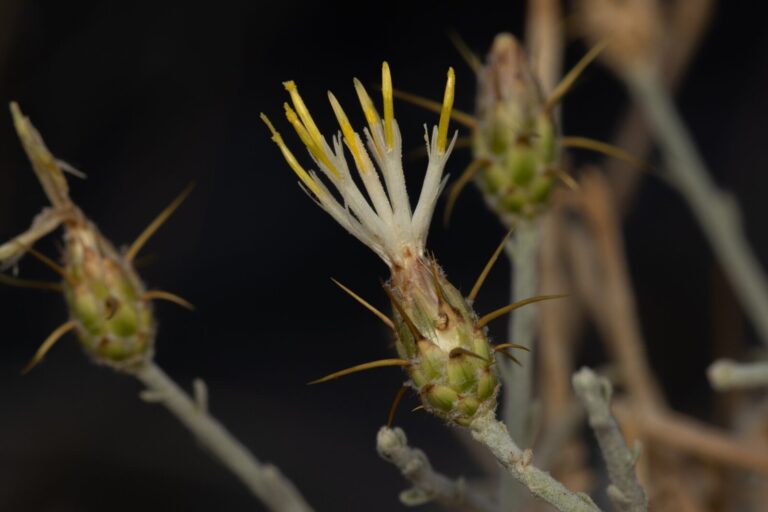
"Last winter," he says, "I walked around an area in the Arava that drains streambeds coming from the Edom Mountains. That year there were several flash floods in the Edom Mountains, and I knew they could bring new plants to Israel – you just had to find them. I went there several times and almost every time I found things that were unknown from the Arava, but the peak came after I photographed plants without knowing they were new to Israel; I only knew they were plants I didn't recognize."
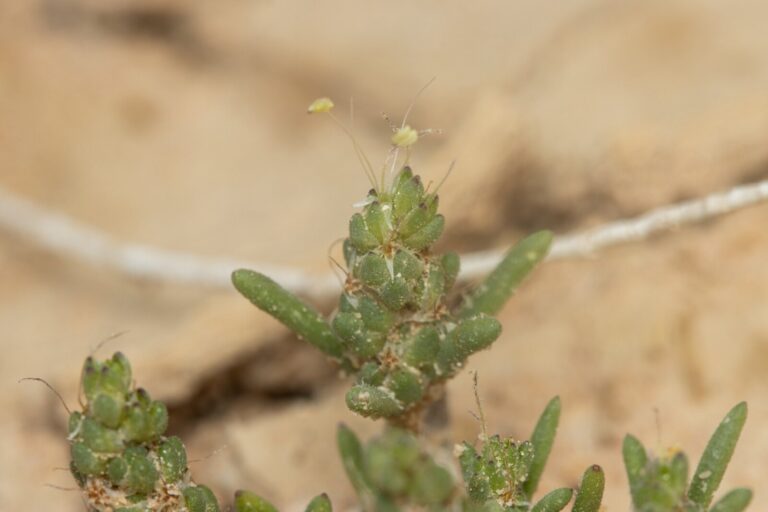
And so it happened to him again: One clear spring day, a few weeks after photographing the plants, he received a phone call from Ori Fragman-Sapir, director of the Jerusalem Botanical Gardens. "Moshe," he said to me, "you discovered a new plant to Israel." Fragman-Sapir recognized Maniptanit Sinai, a plant found in the mountains of Central Asia from China to Iran, and a population of which was also located in the Jordanian Edom Mountains. Neeman discovered it for the first time in Israel, and unfortunately no one else managed to see it besides him, as by the time the discovery was realized, the plant had already withered and disappeared.
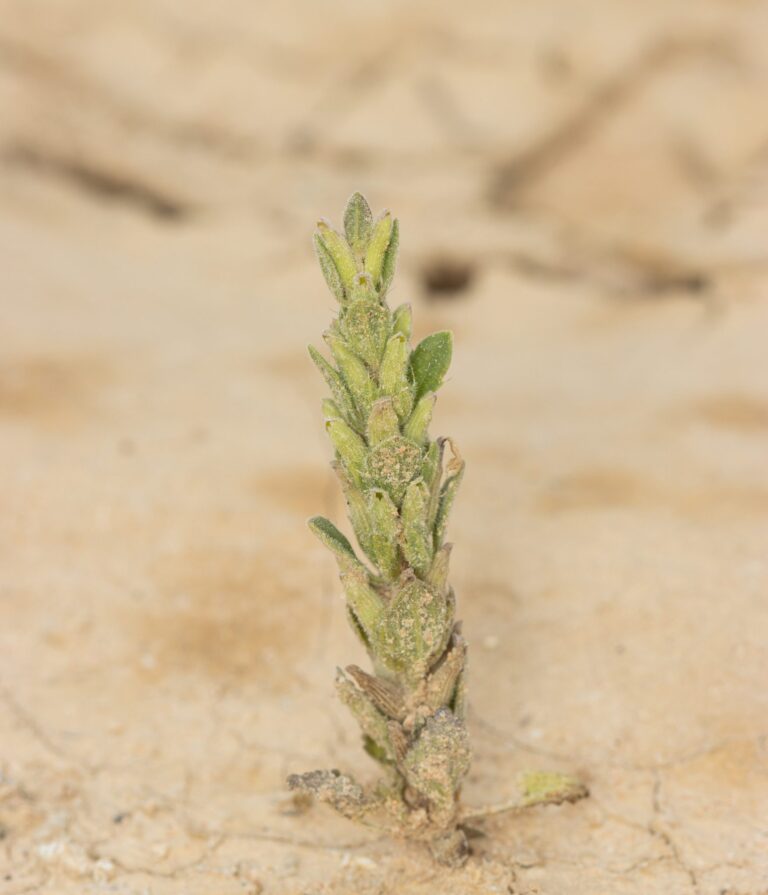
"Five minutes after that phone call, which was one of the most exciting of my life, Ori calls me again and says: 'You discovered another plant.'" On that same trip in which he documented Maniptanit Sinai, Neeman also photographed Dead Sea Plantain (Plantago maris-mortui) – another species considered extinct and not observed in Israel for decades.
Next Goal: "I Must Photograph More Fish"
Neeman volunteers in surveys conducted by the Society for the Protection of Nature and the Nature and Parks Authority. Usually in such surveys there is a division of roles – birders who survey birds, reptile experts who survey reptiles, botanists who survey plants, etc. In Moshe's case, he plays the whole field, alongside adults for whom this is their job.
He is one of the people who has documented the highest number of species in Israel. On iNaturalist he ranks second (after his friend Rafi Amar) with over 4,200 species in Israel, and he is not yet 17. The list of species he documented includes 1,800 plants, a similar number of arthropods, and about 600 species of other animals (mainly birds, mammals, and reptiles).
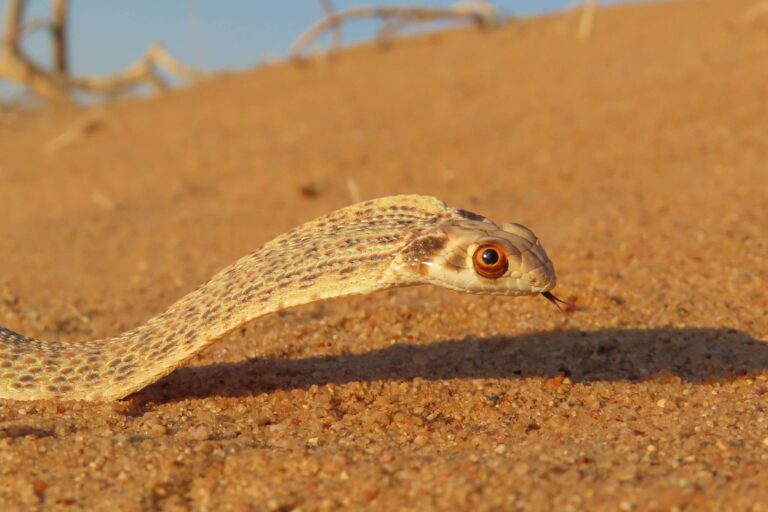
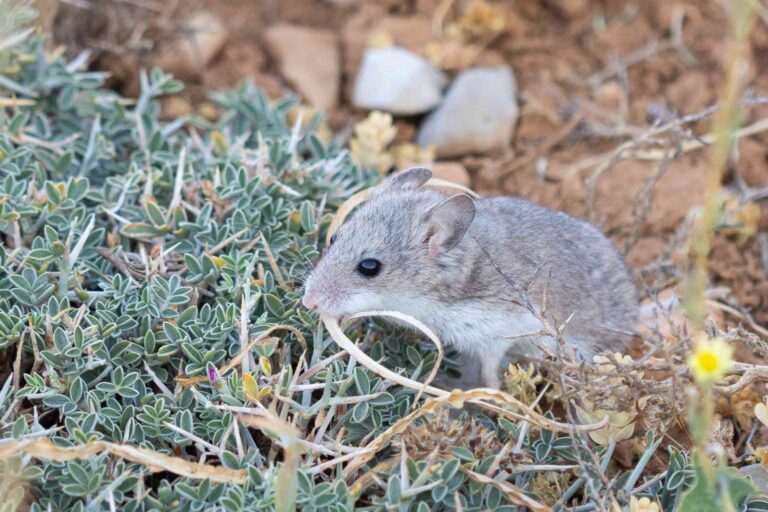
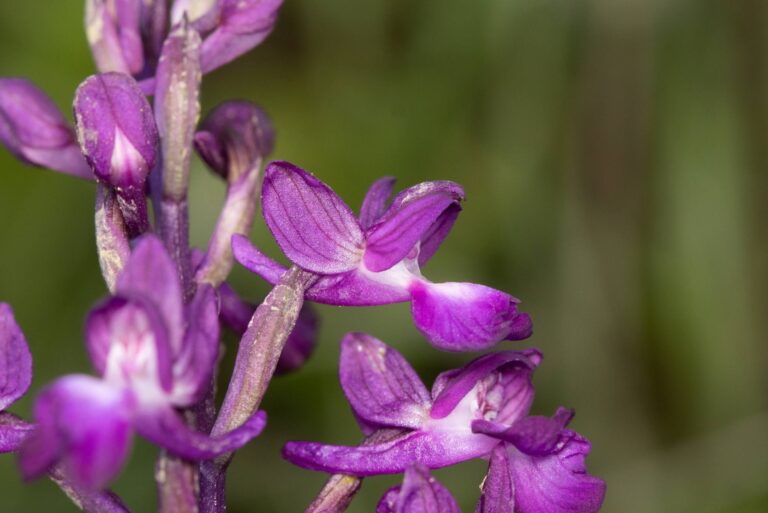
Neeman's passion for nature, for the animals and plants residing in it, seems boundless. When asked what he plans to do when he grows up, he immediately responds: "I must photograph more fish, that's a gap I have. The problem is I currently don't have a camera for underwater photography. Other than that, after the military service I'll travel the world, and hopefully discover many more new things."