
The volume of available water accumulated in Israel during the last rainy season fell significantly, even though rainfall returned to levels close to the average, according to a report by the Hydrological Service summarizing the 2025/26 rainy season, published by the Water Authority last week.
According to the report, although rainfall this year reached approximately 95% of the long-term average, a considerable recovery compared with last year’s drought, reservoirs have been unable to replenish the water they lost over the course of the year. The volume of available water over the past two years totaled just 208 million cubic meters—the lowest level in approximately 100 years.
According to the report, the causes are rainfall levels and the state of Israel’s water sector. Climate change in Israel, driven by global warming, has led to a decline in rainfall in the north of the country, which was previously the rainiest region in Israel, while rainfall in central Israel has remained almost unchanged. In the south, unprecedented records were set for rainfall amounts. In the Sea of Galilee basin, for example, rainfall fell to approximately 90% of the region’s long-term average, and in the Western Galilee to around 85%. This hampers the replenishment of water reserves in the north, including the Sea of Galilee, streams and underground aquifers.
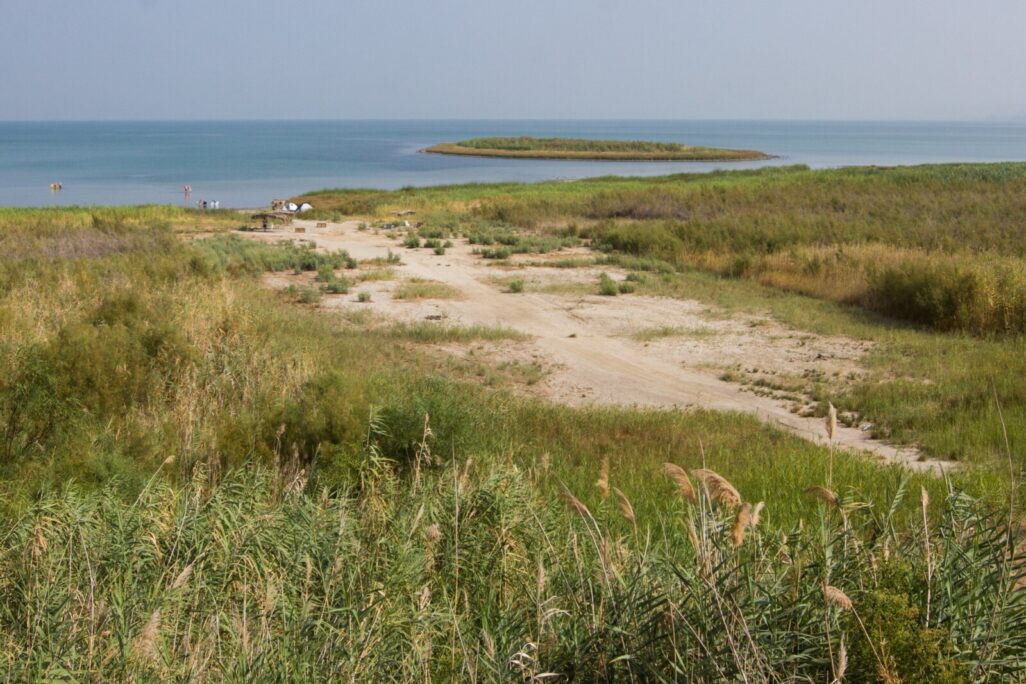
At the beginning of 2026, the water level in the Sea of Galilee stood at approximately 213.08 meters below sea level. In mid-December, it reached its lowest point of the season, at 213.45 meters below sea level. It subsequently rose by 94 centimeters to its highest point of the season, at 212.51 meters below sea level—3.71 meters below the upper red line and just 49 centimeters above the lower red line.
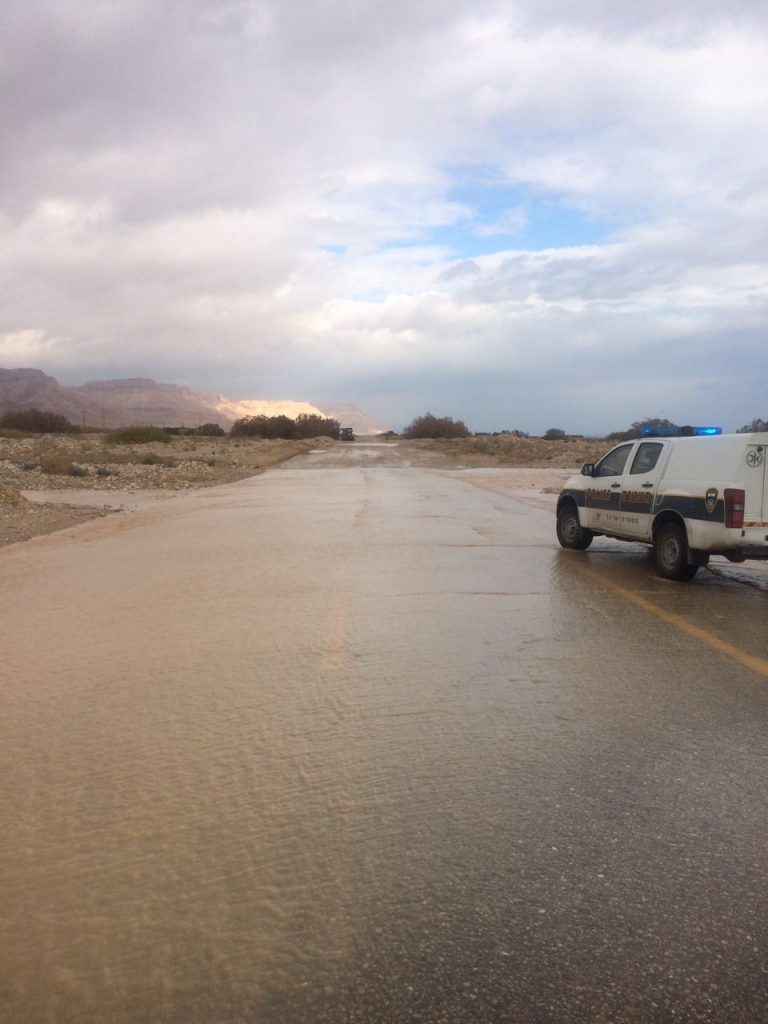
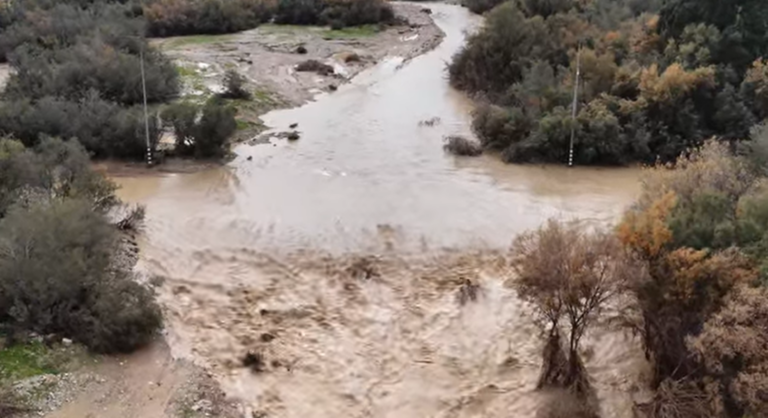
During the same period, particularly strong flows were recorded in Nahal Tze’elim in the south due to the heavy rainfall, including a peak flow of 570 cubic meters per second, an all-time record. The heavy rainfall in the south, which fell over a short period, led to an unusually high number of floods. In addition, intense rainfall over short periods contributes less to underground water reserves because it reduces the ground’s capacity to absorb the water.
The floods also caused a significant, temporary slowdown in the rate at which the Dead Sea is drying up. Last year, the Dead Sea lost approximately 63 centimeters of water level between the beginning of 2025 and April. During the same period this year, the water level fell by only around 18 centimeters.
The Water Sector Faces a Significant Water Deficit
Alongside climatic changes, the depletion of water reserves also reflects the state of the water sector. Israel’s water sector is considered one of the most efficient in the world. However, in recent years, and particularly over the past two years, it has been facing a significant water deficit, driven by drought and excessive reliance on desalination.
Israel’s desalination and wastewater reclamation capacity is not expanding at the pace required to meet the water needs of a rapidly growing population amid declining rainfall. As a result, in some cases, the Water Authority is forced to rely on pumping larger quantities of water than estimates suggest can be replenished.
As part of efforts to address the problem, Israel is building additional desalination infrastructure at a faster pace, although some experts argue that this is still insufficient.
A significant algae bloom along Israel’s coast in September 2026 led to the unprecedented temporary shutdown of five desalination plants simultaneously, from Sorek and Palmachim in the north to Ashkelon in the south.
The shutdown led to a significant decline in the volume of desalinated water and forced Israel to pump large quantities of water from its reserves—water that could not be replenished even after the desalination plants resumed operations.
Water Authority Director Yehezkel Lifshitz said: “The last rainy season clearly illustrates the gap that can emerge between national precipitation figures and the actual state of water sources. Even when rainfall approaches the average, water sources continue to bear the effects of the previous drought year. At the same time, in the south we saw an exceptional season in terms of the number and intensity of flood events. The data underscore the importance of continuous monitoring, forecasting, long-term planning and flexible management of Israel’s water resources.”