

A leaked draft of the 2026 Economic Arrangements Law obtained by Davar ahead of its official release, shows the government is preparing one of its most far-reaching economic reform packages in years. The 200 page draft brings together dozens of structural and fiscal changes to be passed alongside the state budget, allowing lawmakers to approve them in one vote without having separate debates on each clause.
After last year's relatively modest version, the 2026 draft appears to be far broader and more consequential. With plans for privatization, benefit cuts, and market liberalization alongside new projects to boost growth and streamline government work.
Major Economic and Tax Reforms
Titled “The Economic Plan for 2026 – Structural Changes,” the proposal compiles a wide range of laws and government decisions drafted mainly by the Finance Ministry’s Budget Department. Some deal directly with the ministry’s operations, while others affect additional government bodies.
One of the headline measures offers temporary income tax breaks for new immigrants and returning residents earning up to 1 million shekels per year in 2026–2027. The income threshold would gradually drop between 2028–2030. The benefit, which applies only to the 2026 tax year, is expected to cost the state about 600 million shekels over five years and mainly benefit high-income earners.
Defense and Police Cuts
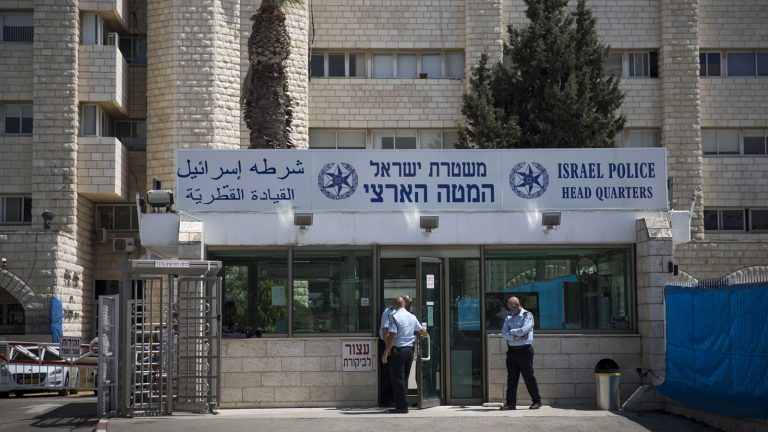
In the defense sector, the plan proposes introducing personal contracts for police officers, limiting the number of reserve service days, and canceling several salary and pension benefits for career IDF personnel.
The changes include reducing retirement leave, abolishing certain vacation entitlements, and ending vehicle-use tax perks. Together, these measures are expected to save 920 million shekels from the state budget.
At the same time, government-owned defense companies with annual revenues above 5 billion shekels would gain greater managerial flexibility, including permission to set up or acquire new companies.
Tighter Control over Public Hiring
The draft would also make it harder for government ministries to expand their workforce. Any request to add staff would need approval from the Budget Department, the National Digital Directorate, and the Civil Service Commission.
Each request would have to include a cost comparison between hiring new employees and developing a digital alternative, effectively strengthening the Budget Department’s influence and aligning with its long-standing push to limit public sector growth.
Additional Measures: Defense Exports, Disability Reform
The law also proposes streamlining defense export licensing, requiring the Ministry of Defense to issue decisions within 30 days.
As part of efforts to assist people with disabilities, the mobility allowance would be tied to actual mobility needs, and disabled parking permits would be issued based on medical assessment. The total number of permits would be reduced to ensure access for those who truly need them.
Tackling the Shadow Economy and Promoting Inclusion
The draft continues efforts to shrink Israel’s shadow economy (activity hidden from authorities to evade taxes and regulation). It would limit cash holdings to 200,000 shekels, cap cash transactions at 6,000 shekels, and extend the Tax Authority’s data retention period from three to seven years.
It also includes a national language plan to strengthen Hebrew proficiency among the Arab population, promote integration into high-skill professions, and set employment and wage targets for the Arab community through 2035, with measures to close education gaps and expand vocational training.
Local Authorities and Consumer Protections
To smooth funding for local governments, the draft proposes gradually phasing balancing grants rather than shifting abruptly between socio-economic clusters, which currently discourages development.
Other measures would ease regulations for leasing or selling municipal land for commercial purposes and limit fees charged by intermediaries such as lawyers or consultants handling insurance or long-term care claims — ensuring more of the money reaches the insured.
Privatizations and Market Reforms
Two major structural reforms stand out:
- 1. Privatizing large parts of Israel Railways, a move already facing criticism from experts.
- 2. Opening the dairy market to imports, which local farmers warn could devastate domestic production.
New Taxes and Financial Reforms
The draft also proposes a new tax on e-cigarettes — 30 shekels per device and 1 shekel per milliliter of liquid — aimed at curbing smoking and illegal trade, while generating roughly 500 million shekels a year.
Other planned reforms include adopting the OECD’s “Pillar 2” global tax rules, introducing new corporate tax incentives, promoting competition in the banking sector, and expanding the credit data registry to include small and medium-sized businesses.
Infrastructure, Environment and Technology
Additional proposed measures include:
- 1. Aligning fire safety standards with U.S. codes (NFPA)
- 2. Expanding the digitization of citizen services and moving all government systems to the “Nimbus” cloud
- 3. Opening access to national supercomputers for academic research
- 4. Establishing a national waste management authority
- 5. Continuing privatization in the sewage sector
- 6. Promoting private airports and airport concessions
Energy, Housing and Labor Market Data
Further reforms cover fuel and gas regulation, easing construction near coastlines, and simplifying the state’s takeover of abandoned properties.
The draft also calls for a strategic plan for natural gas, upgrades to the electricity grid to meet rising demand from artificial intelligence technologies, and a shift to full registration-based labor data collection instead of estimates.
Other sections propose pension tax adjustments and a reform of the guarantee market.
Political Context and Timeline
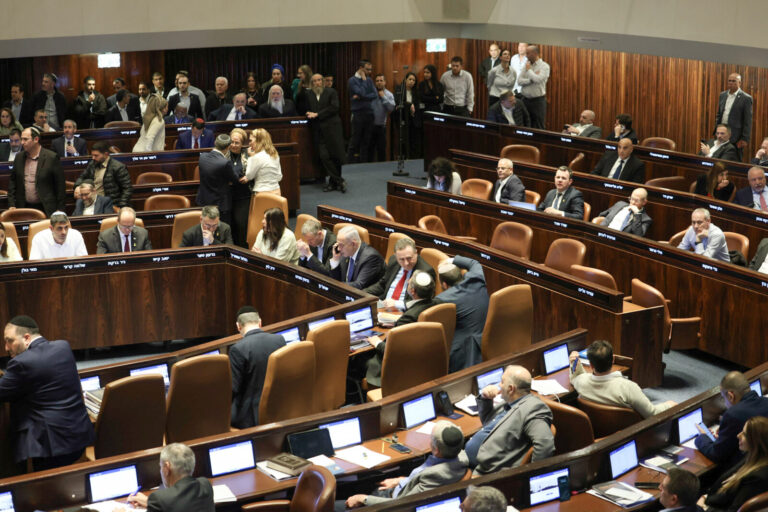
Because the Arrangements Law is passed together with the state budget, blocking it is politically difficult; failure to pass the state budget is considered a vote of no confidence in the government and leads to its dissolution.
The process has long been criticized by researchers and officials who say the Budget Department wields excessive control over legislation, pushing a consistent agenda of privatization, spending cuts, and a smaller public sector.
The government expects to pass the 2026 Arrangements Law by late March 2026, alongside the state budget. Some tax-related provisions, however, could be approved before the end of 2025 to take effect for the 2026 tax year.